Bulgaria introduced the euro on 1 January and became the 21st country in the Eurozone

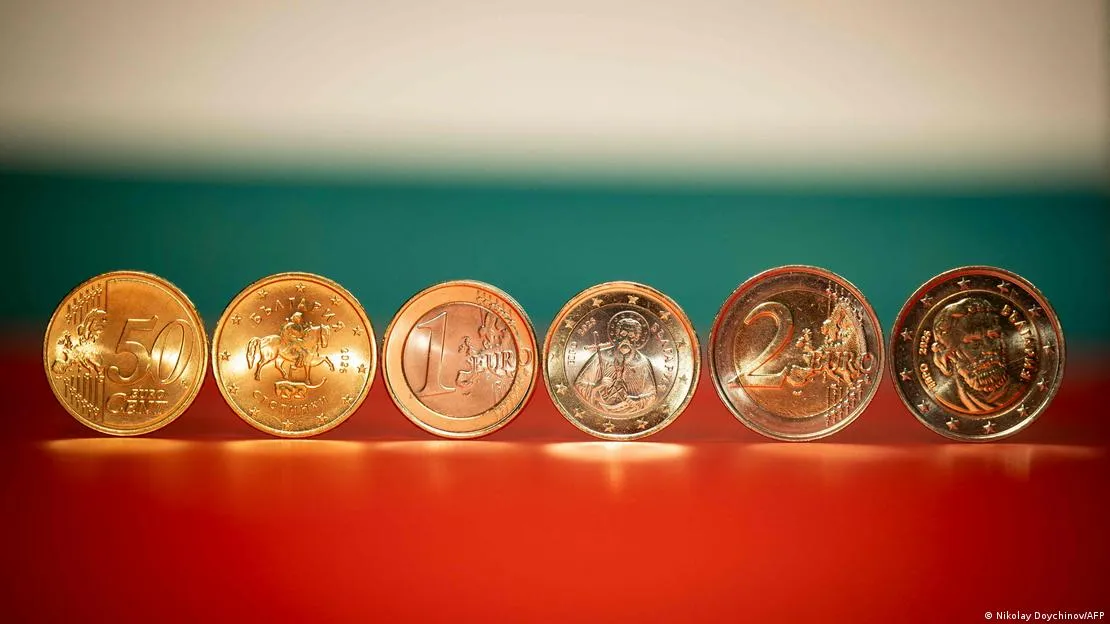
On 1 January 2026, Bulgaria officially switched to the euro and became the 21st country in the Eurozone. From now on, the euro is the only means of payment in the country, and the national currency, the Bulgarian lev, has been withdrawn from circulation. It is reported by The Public with reference to
In Sofia, the transition was called the end of the European integration process, which has been going on since the country joined the European Union in 2007. In his New Year's address, Bulgarian President Rumen Radev described the introduction of the euro as the final step in the country's integration into the EU
The transition was also welcomed by European institutions. The head of the European Central Bank Christine Lagarde called the euro a symbol of common values and collective strength. The President of the European Commission Ursula von der Leyen noted that joining the Eurozone would increase market transparency, economic competitiveness and facilitate trade and travel
After the EU's final decision in July, the exchange rate was fixed at around BGN 1.96 per euro. In the first days of January, prices in Bulgarian shops are quoted in both leva and euros
Bulgaria remains the poorest country in the EU in terms of GDP per capita. There are now six EU countries outside the Eurozone, of which only Denmark has the official right not to switch to the euro. The previous country to join the Eurozone was Croatia on 1 January 2023
Photo: DW