The goals of the US and Israel in the war against Iran are beginning to diverge

US President Donald Trump has stated that the United States' military objectives in the war against Iran have largely been achieved and that the conflict could end in the near future. He made this statement amid rising oil prices and concerns about the possible political consequences of the war in the United States.
According to Trump, American military objectives have been "practically achieved" and the war could end "very soon."
At the same time, Israeli Prime Minister Benjamin Netanyahu said that Israel's goal is to "help the Iranian people throw off the yoke of tyranny." His words indicate a willingness to continue the campaign until there is regime change in Iran.
The differences between the allies are causing concern among other countries, which are waiting for more clarity on how the war might end.
Michael Singh, former director for Middle East affairs at the US National Security Council under President George W. Bush, noted that the US and Israel have similar but not identical goals.
"When this war ends, the US can withdraw its involvement and move on to other priorities. Israel, however, remains part of the Middle East and has to live with the consequences of this conflict," he said.
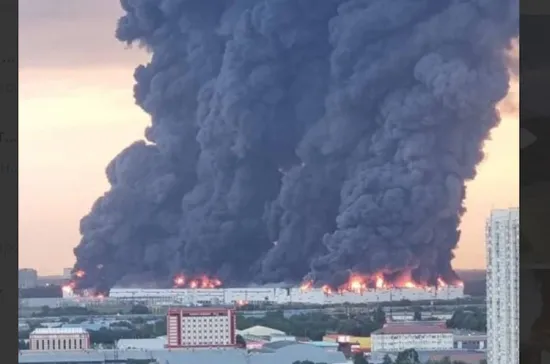
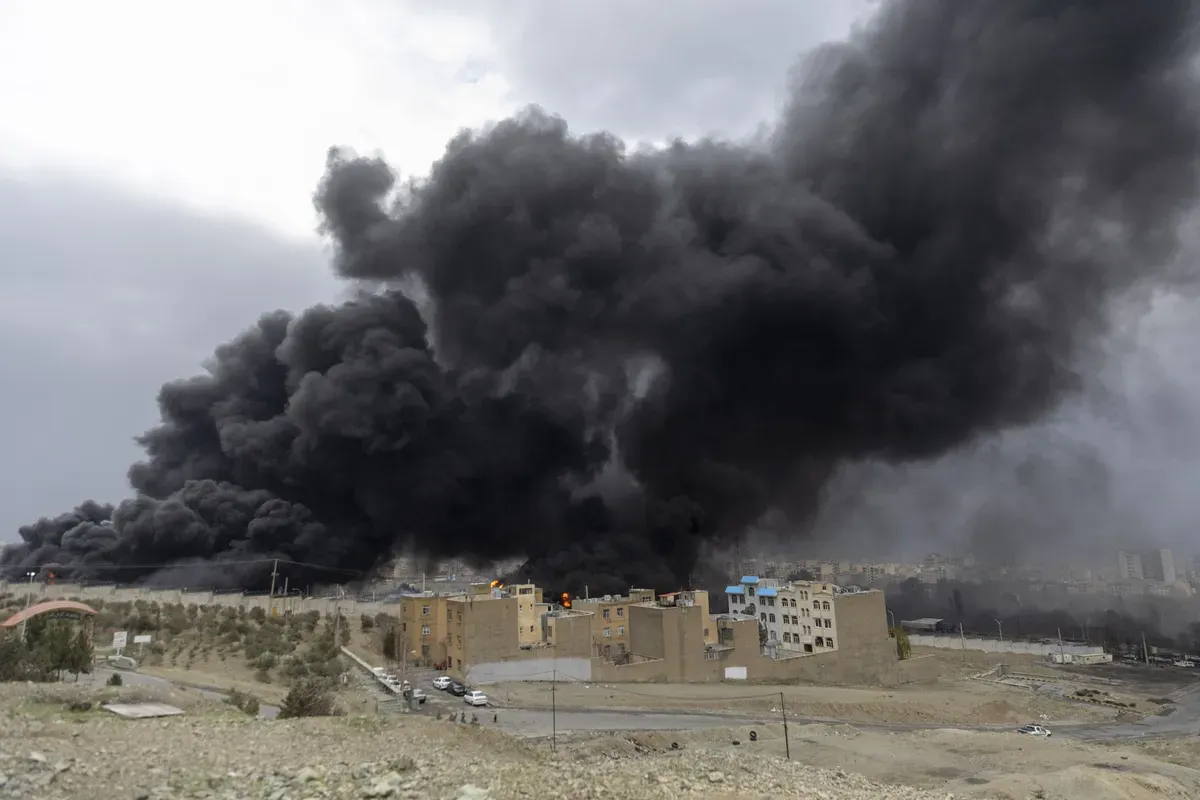
Tensions between the two approaches intensified after Israel struck fuel depots and other infrastructure in Iran. As a result of these attacks, part of Tehran was engulfed in thick smoke.
Senator Lindsey Graham, who previously supported strikes on Iran, called on Israel to be careful in its choice of targets and stressed that the goal should be to help Iranians change their government without destroying the country's future.
Washington explains its goals as military. These include limiting Iran's ability to build nuclear weapons and destroying its missile programmes, unmanned systems and naval forces.
Israel, for its part, emphasises strikes against Iran's leadership and part of the state's economic infrastructure.
The level of support for the war also differs significantly between the two countries. A Reuters Ipsos poll found that only 27 per cent of Americans support the military campaign. At the same time, a poll by the Israel Democracy Institute found that 82 per cent of Jewish citizens of Israel support the strikes.
European officials are also expressing concern about the lack of a clear joint plan to end the conflict.
German Chancellor Friedrich Merz said in Berlin that there is concern about the "obvious lack of a joint plan for a quick and convincing end to this war."
The conflict is already affecting global energy markets. Ship traffic through the Strait of Hormuz, through which about a fifth of the world's oil is transported, has slowed, and oil prices have exceeded $100 per barrel.
The average price of petrol in the US has risen to around $3.46 per gallon, which is about 40 cents more than a week earlier.
The US administration announced a $20 billion maritime reinsurance programme to restore tanker traffic in the Persian Gulf. The possibility of escorting commercial vessels by naval forces is also being discussed.
Former Israeli Prime Minister Naftali Bennett said that the US and Israel remain aligned on the main goal of the war. According to him, the Israelis are ready to fight "as long as it takes" to ensure that Iran no longer has nuclear or ballistic missile capabilities.
Israeli President Isaac Herzog also said that Israel is not dictating policy to US President Donald Trump and is not calling for the introduction of American ground troops.