The US Navy could lose more than 2,000 missile launchers

This is reported by Focus.
The US Navy may face a significant reduction in the fleet's missile capabilities.
According to analysts' estimates, by 2030, the American fleet risks losing approximately 2,080 missile launchers.
The reason for this is the decommissioning of old submarines and missile cruisers, as well as delays in the introduction of new ships.
One of the key problems is the planned decommissioning of four Ohio-class SSGN submarines.
They are scheduled to be decommissioned by 2027.
At the same time, the Ticonderoga-class missile cruisers are scheduled to be gradually decommissioned by 2030.
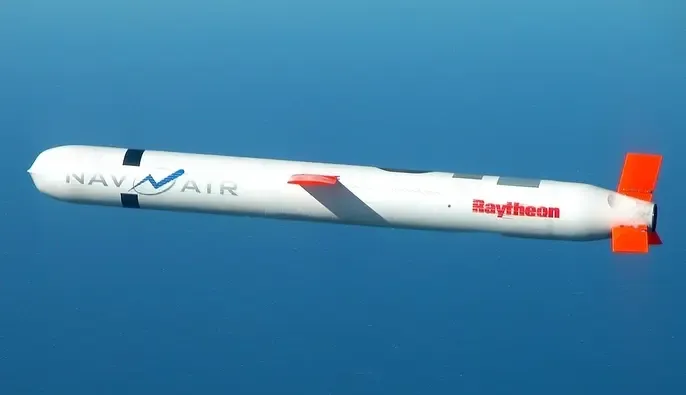
These ships have a significant number of launch tubes, in particular for launching Tomahawk cruise missiles.
At the same time, the new platforms that are supposed to replace the outdated ships may not be ready in time.
In particular, the Columbia-class submarine construction programme is facing delays and budget overruns.
The first submarine of this type was planned to be handed over to the fleet earlier, but now its commissioning is expected to be delayed by at least a year.
The total cost of the programme is estimated at approximately $130 billion and involves the construction of twelve submarines.
An additional factor is the problems in the US shipbuilding industry.
Since the Gulf War, the production capacity of the American shipbuilding industry has declined by approximately 30%.
A shortage of skilled workers and disruptions in supply chains are also slowing down the implementation of defence programmes.
According to available data, from 2022, the US Navy will build approximately 1.2 submarines per year, while the plan calls for the production of two.
As a result, the first Columbia-class submarine will likely not be delivered to the fleet until 2028.
Former special forces officer and defence analyst Steve Balestriere believes that the US may temporarily extend the service life of Ohio-class submarines.
They are already around 40–45 years old.
According to the expert, this will avoid a sharp reduction in the fleet's combat capabilities until American industry can compensate for the loss of ships.
Otherwise, the US could face a serious gap in nuclear deterrence and precision strike capabilities, especially amid growing tensions in the Pacific region.