In Venezuela, nearly 59,000 buildings may have been destroyed following a series of earthquakes

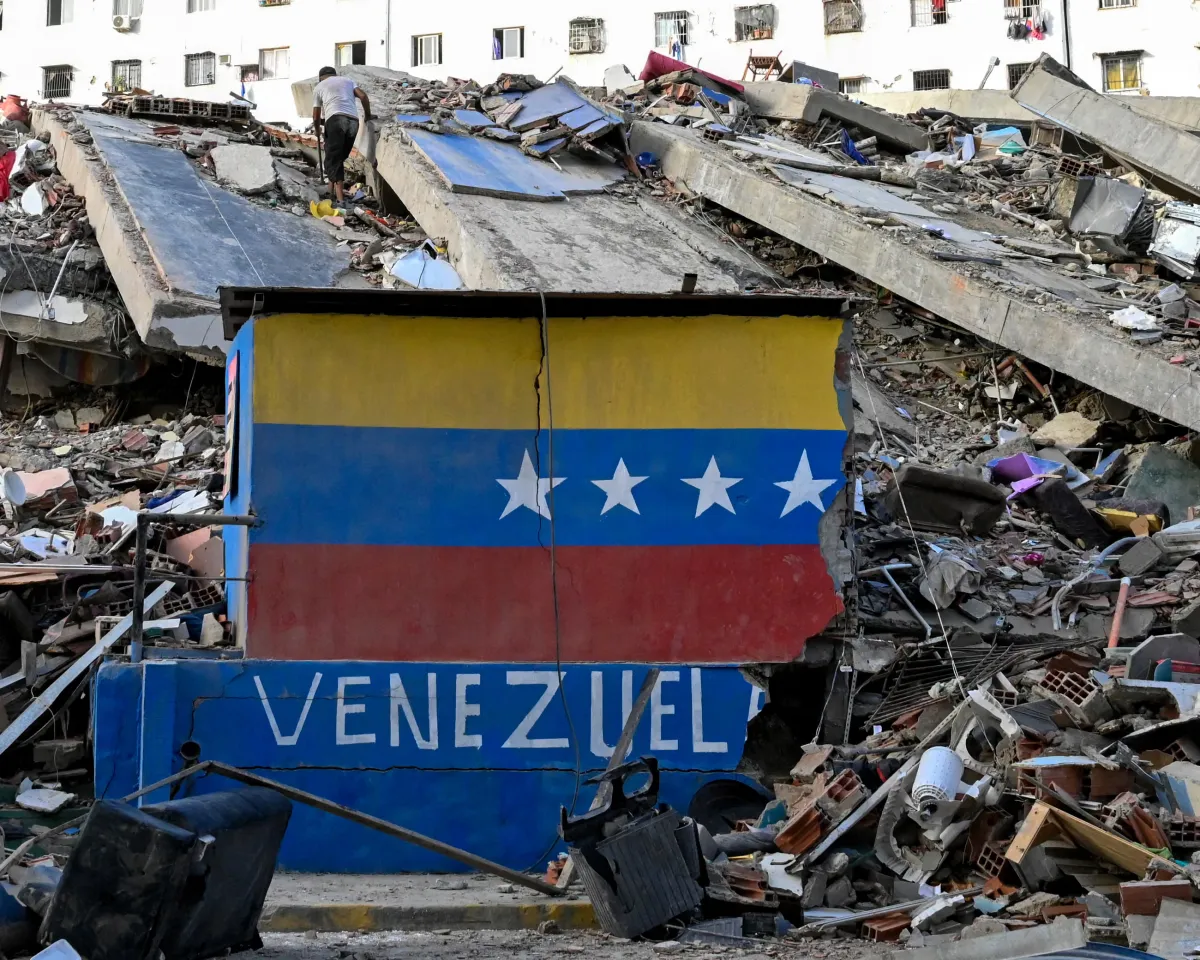
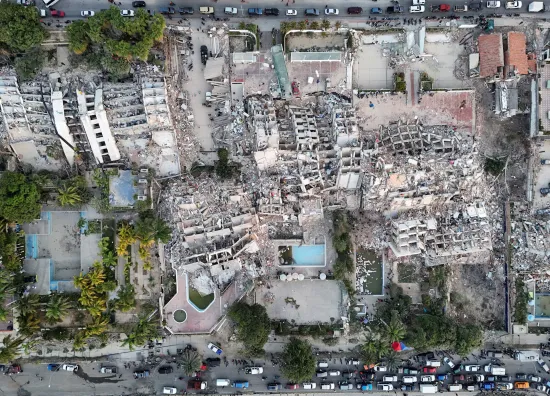
A preliminary analysis of satellite data has shown that around 58,870 buildings may have been destroyed or seriously damaged following a series of powerful earthquakes in Venezuela, according to The Guardian.
These were two earthquakes, measuring 7.2 and 7.5 on the Richter scale, which struck last week. According to preliminary figures, the disaster claimed the lives of at least 1,943 people. A further 10,571 people were injured, and tens of thousands are still missing.
The UN migration agency estimates that up to 6.8 million people may be affected by the disaster. Many of them are in need of shelter, clean water, sanitation, medical care and basic humanitarian supplies.
Earlier, the President of Venezuela’s National Assembly, Jorge Rodríguez, reported that 855 buildings had been damaged, 189 of which had completely collapsed. However, a new analysis of satellite imagery indicates a much greater extent of destruction.
The research was carried out by experts from the US space agency NASA and Oregon State University. After analysing high-resolution radar images obtained by the European Space Agency’s Sentinel-1 satellites, the experts concluded that the extent of the damage could be considerably greater than official estimates.
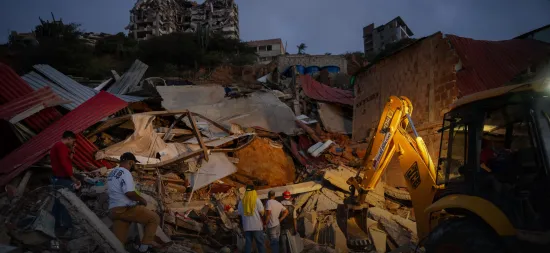
The state of La Guaira has been hardest hit. In coastal areas, rescue workers are continuing to search for people trapped under the rubble. In many areas, residential buildings, high-rise blocks and other infrastructure have been destroyed.
The World Health Organisation has warned of an increased risk of outbreaks of infectious diseases. Due to overcrowded hospitals and damage to medical facilities, there is a growing threat of the spread of measles, diphtheria, yellow fever, malaria, dengue, chikungunya and the Zika virus.
The WHO has also reported serious problems with the provision of medical care, particularly in La Guaira. The region is experiencing overcrowded hospitals, difficulties in registering casualties and growing queues for surgical care.
Twenty-seven countries have joined the rescue operation. According to the UN, nearly 40 search and rescue teams have been deployed to Venezuela. More than 2,000 military personnel and rescue workers, as well as over 160 search dogs, are taking part in the operations.
Local residents are increasingly complaining about the slow arrival of aid and a lack of heavy machinery to clear the rubble. According to residents of the affected areas, in many places manual rescue efforts are no longer effective due to the enormous volume of debris.