Britain is set to ‘retire’ the Storm Shadow, whilst new missiles will be developed drawing on Ukraine’s experience

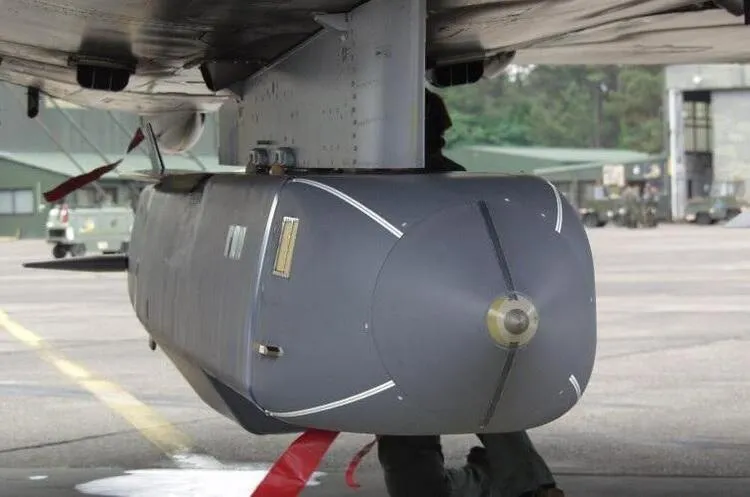
This is set out in the UK’s new Defence Investment Plan, which sets out the development of the British Armed Forces until the end of the decade.
In the document, cited by Defence Express, the British government explains the reason for the change in approach:
“Having studied Ukraine’s experience, we are now moving towards the next generation of low-cost cruise missiles, which means we will acquire significantly more missiles at a lower overall cost,” the plan states.
Separately, London has announced the allocation of 300 million pounds to utilise Ukrainian technological developments and practical experience to create new, cheaper cruise missiles. Initially, the focus is on airborne versions, but ground-based and naval variants are also planned for the future.
The Storm Shadow is considered one of the most effective long-range missiles in the world and has proven its worth during the war in Ukraine. It was these missiles that enabled the Ukrainian military to carry out a series of precision strikes against Russian command posts, ammunition depots and other key military targets far behind the front line.
However, the British military has drawn the conclusion from this war that high-precision weapons must not only be effective but also cheap enough for mass production.
The Storm Shadow remains extremely powerful, but it is expensive to produce and stocks are limited. That is why the new concept envisages the creation of large numbers of cheaper cruise missiles that can be deployed on a massive scale.
Analysts suggest that the UK will not completely abandon expensive high-precision missiles.
At the same time, development of the new Stratus family of weapons from MBDA is underway. The British government plans to allocate £1.4 billion to this project by 2030.
It is expected that the UK’s future long-range weapons system will consist of several components:
- cheaper, new-generation cruise missiles;
- expensive, high-precision Stratus missiles for the most challenging and critical targets;
- long-range strike drones.
In addition, London will invest a further 210 million pounds in the development of new long-range drones for the army, navy and air force.
The British defence strategy confirms what military experts have been saying for the past two years: instead of small stocks of expensive, high-precision missiles, NATO countries are now relying on a combination of mass-produced, cheaper weapons and long-range drones.
Follow us on Telegram