Iran is boosting its oil revenues amid rising prices and the US stance

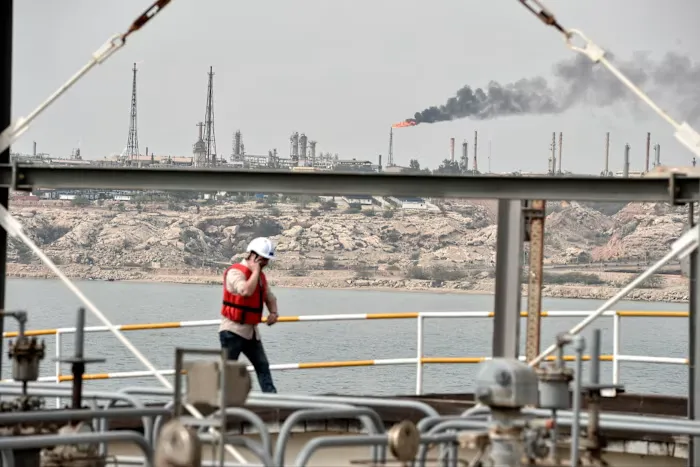
According to analysts’ estimates, Iran could be earning over $140 million a day from oil sales. Since the US and Israeli strikes began late last month, at least 13 supertankers have loaded oil at the main export terminal on Kharg Island.
According to data from Kpler, around 24 million barrels of Iranian oil have passed through the Strait of Hormuz during this period. Iran has restricted the movement of other vessels in the area, firing on tankers in the Persian Gulf.
Supply disruptions have contributed to oil prices rising above $100 per barrel. Meanwhile, other Middle Eastern countries have cut production due to limited export and storage capacity.
US Treasury Secretary Scott Bessent stated that Washington is prepared to allow Iranian shipments despite the sanctions. “Iranian vessels have already been leaving, and we have allowed this to happen to ensure supplies for the rest of the world,” he said.
According to him, Iran is also allowing ships from India and, likely, China to pass through the strait. The US believes this will facilitate the gradual reopening of the route.
The US has also lifted sanctions on Russian oil to stabilise the market. This could intensify competition for Iranian oil from Chinese oil refineries.
At the same time, pressure is mounting in Washington to limit Iran’s oil revenues. Analysts note that further escalation could intensify such measures.
Before the conflict began, Iran had increased exports to nearly 4 million barrels per day. Since the conflict began, according to Kpler and Vortexa, daily volumes have stood at around 1.5–1.6 million barrels.
Most of the exports are destined for China, often via independent oil refiners who purchase the crude at a discount due to sanctions.
Analysts note that following the strikes on Kharg Island, supplies remain stable. Part of the shipments is carried out by the so-called ‘shadow fleet’, which operates without Western insurance and conceals its routes.