Ishinger: How the war in Ukraine ends will determine the future of Europe

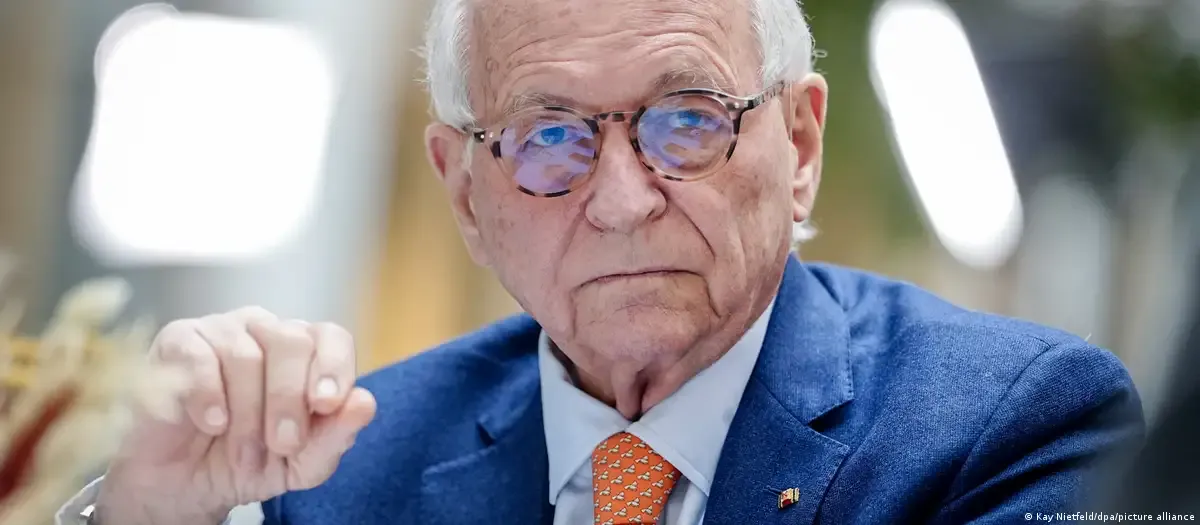
Ishinger recalled Russia's war against Ukraine and the fact that, on the eve of the conference, the Ukrainian people were awarded the Ewald von Kleist Prize for their contribution to international cooperation and conflict resolution.
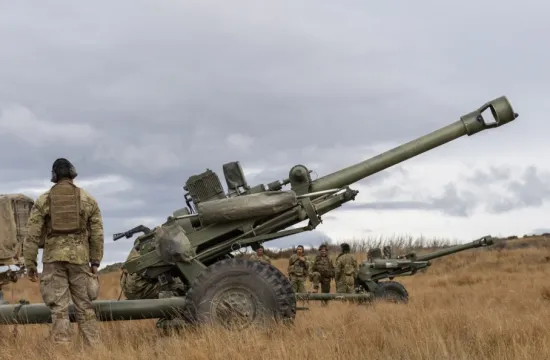
According to him, the West could do more to raise the cost of the war for the Kremlin. Among the steps he mentioned were providing Ukraine with the weapons it needs, strengthening sanctions against Russia, and pursuing the so-called shadow fleet.
Ischinger stressed that the question of how this war will end is existential for Europe, and the answer to it will determine the future of the continent. At the same time, he noted that this year's conference was marked by a stronger spirit of European determination to defend common values, although there were doubts as to whether Western countries still share the same rules and remain on the same team.
Ischinger emphasised that Europe does not need another round of speeches, but a clear plan of action with an understanding of what Europeans are prepared to do, when and how. According to the organisers, more than a thousand leading politicians, military figures, business representatives and civil society figures took part in this year's Munich Security Conference, including more than 60 heads of state and government and dozens of foreign and defence ministers.