European Parliament supports creation of military Schengen for rapid deployment of troops
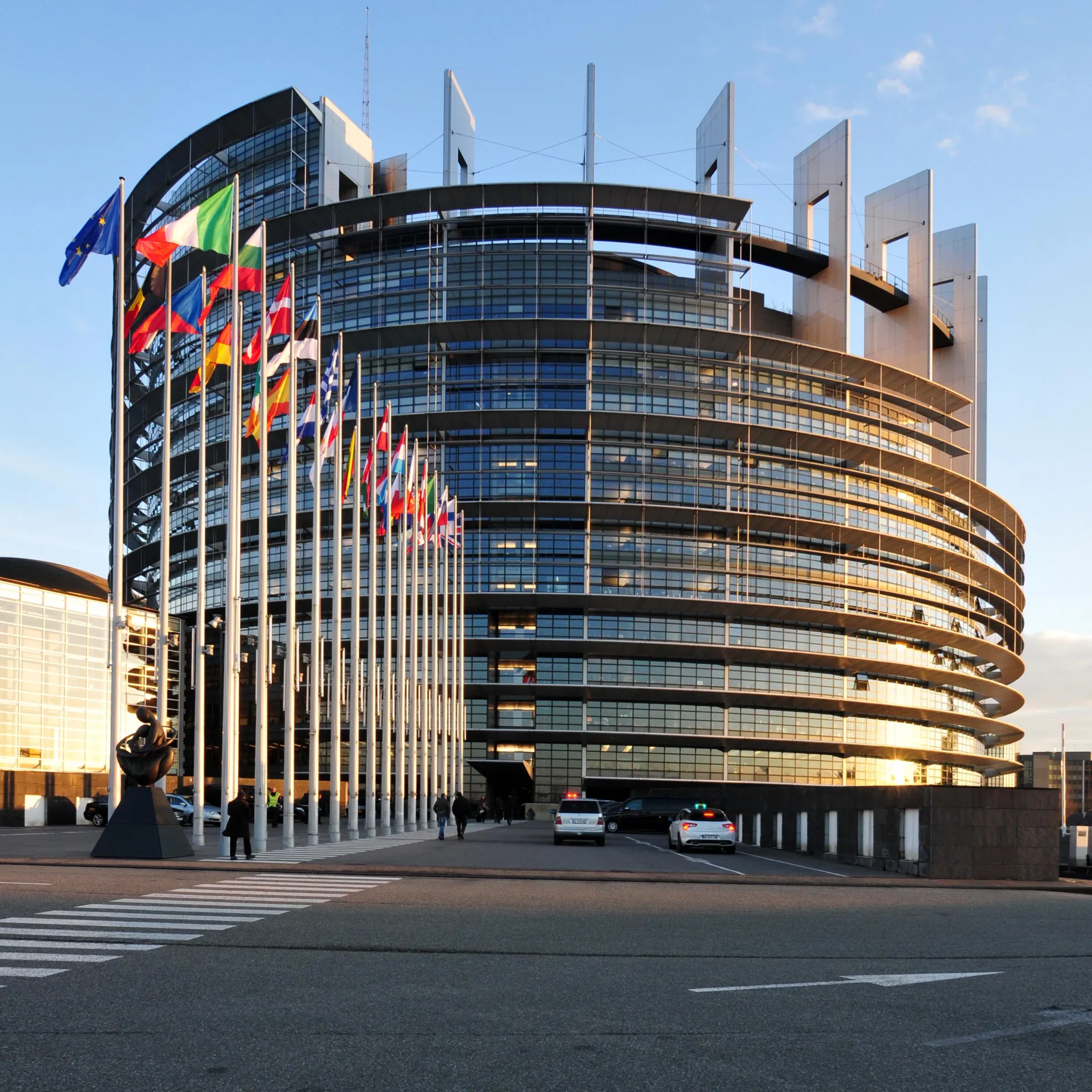
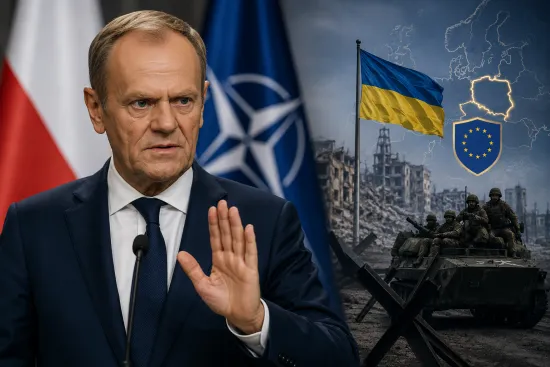
The European Parliament has adopted a resolution on the accelerated creation of the so-called military Schengen, which provides for the free movement of troops and equipment across the EU without internal borders. The document was supported by 493 deputies, 127 were against, and 38 abstained.
The resolution notes that military mobility is a key element of the EU's common security and is critical to protecting the eastern flank, in particular the Baltic States and Poland, against the backdrop of Russia's war against Ukraine. MEPs drew attention to the vulnerability of strategic routes, in particular the Suwalki corridor, and the need for a faster response to threats.
The European Parliament has supported the European Commission's initiative to increase funding for military mobility in the next multi-annual EU budget to more than €17 billion. At the same time, MEPs note that the modernisation of bridges, tunnels, railways and dual-purpose roads will require at least €100 billion in additional investment.
The document also mentions the creation of four priority military mobility corridors in cooperation with NATO and the identification of about 500 infrastructure facilities that need urgent renovation. Currently, according to parliamentary estimates, due to bureaucratic and technical barriers, the transfer of EU military equipment sometimes takes more than a month.
MPs called on the EU to move closer to NATO standards and ensure that rapid response forces can cross the EU's internal borders within three days in peacetime and within 24 hours in crisis situations.