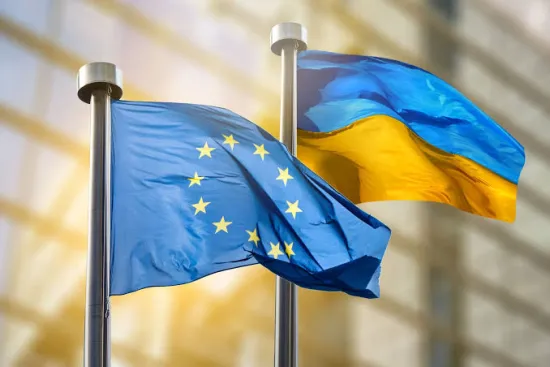
The European Parliament has launched an urgent procedure for a €90 billion EU loan to Ukraine.

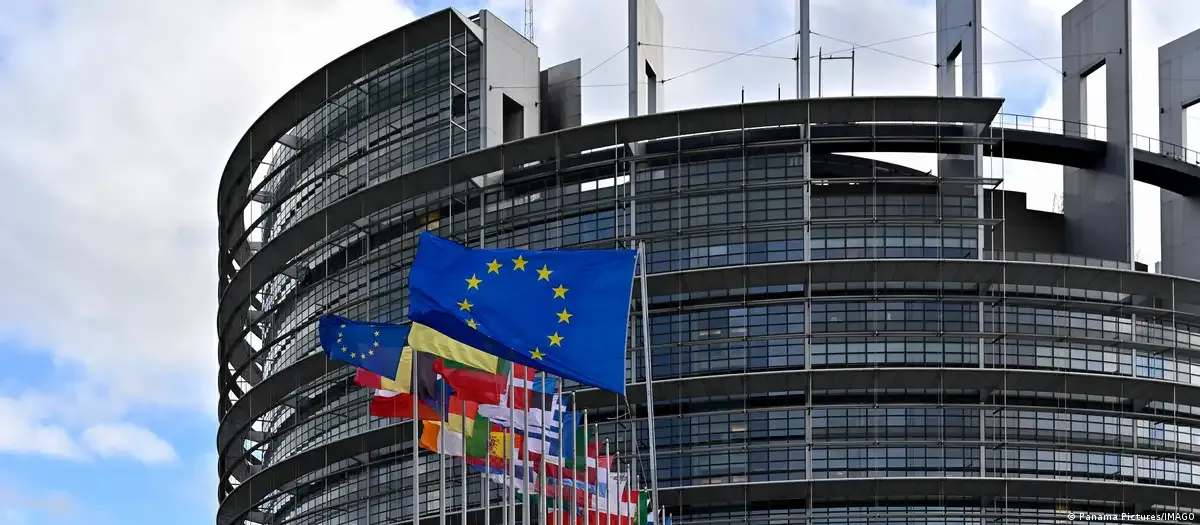
The European Parliament has supported the use of an urgent procedure to consider a package of draft laws on granting Ukraine a European Union loan of €90 billion for 2026–2027. The vote took place at a plenary session in Strasbourg.
There are three documents in question. The first is a framework document that formally launches enhanced cooperation between 24 EU member states to provide a loan to Ukraine in accordance with the European Council's decision adopted in December. This bill has already been approved by the EU Council, so the vote on it is scheduled for 21 January.
The other two documents detail the financing parameters. They determine the total amount of the loan, the payment schedule for 2026 and 2027, the financial instruments and Ukraine's obligations. As these drafts need to be reviewed by the relevant committees and agreed with the Council of the EU, the final vote on them is expected during the European Parliament session from 9 to 12 February.
According to estimates by the International Monetary Fund and the European Commission, Ukraine will need €137 billion in 2026-2027 to ensure the functioning of state institutions and support its defence capabilities. Of this amount, €90 billion is to be provided by the European Union, with the rest to be provided by the G7 countries.
The European Commission's legislative proposals provide for the loan to be divided into two parts. Approximately €30 billion is to be allocated to budget support, and another €60 billion to military aid. The financing will be provided through EU borrowing on the financial markets, guaranteed by the Union's budget.
The decision to grant the loan was agreed at a summit in Brussels on 18 December last year. It was supported by 24 of the 27 EU member states. Hungary, Slovakia and the Czech Republic are not participating in the loan, but did not block the overall decision. The terms stipulate that Ukraine will repay the funds only if it receives reparations from Russia for the damage caused by the war.
Source and photo: DW.
European Parliament, European Union, EU, Strasbourg, Council of the EU