The US proposes creating a trade bloc for critical minerals to counter China

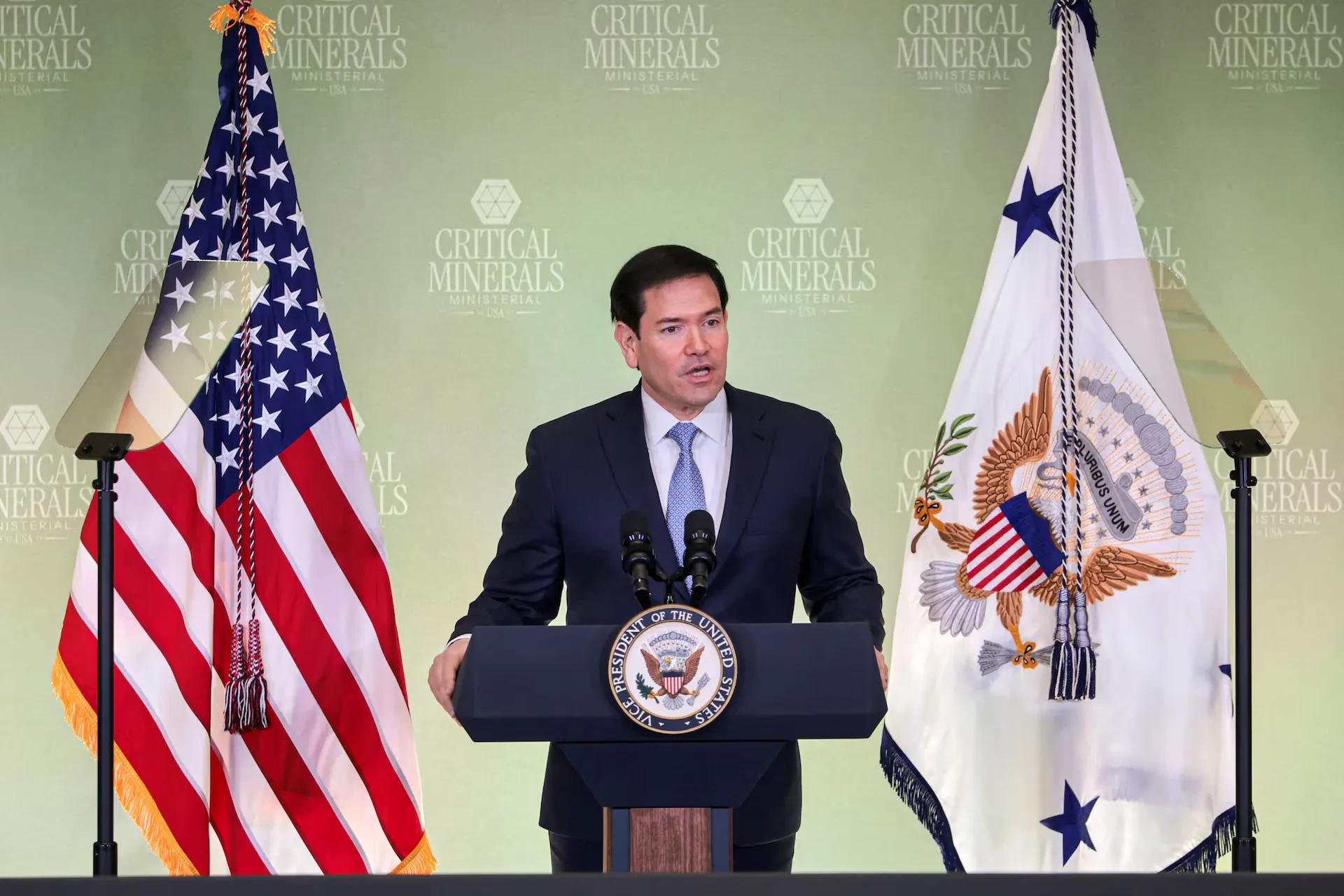
The United States has proposed creating a preferential trade bloc for critical minerals, which would unite allies to counter China's dominance in the extraction and processing of strategically important raw materials. This was announced by US Vice President Jay D. Vance during a meeting with foreign ministers in Washington.
According to him, the US proposes to introduce agreed minimum price thresholds for critical minerals at each stage of production. For countries participating in the new trading area, these reference prices will become the minimum level and will be maintained through tariff adjustments. This should prevent dumping and protect domestic producers from cheap supplies.
The initiative is part of a broader strategy by the Donald Trump administration to ensure a stable supply of critical minerals after China restricted exports of rare earth materials in 2025, causing disruptions in the automotive and other industries in the US and Europe. Washington also recently announced the launch of Project Vault, a strategic reserve of critical minerals with initial funding of $12 billion.
US Secretary of State Marco Rubio said that 55 countries participated in the consultations, including India, Japan, South Korea, Germany, Australia and the Democratic Republic of Congo. He stressed that the concentration of mineral processing in one country has become an instrument of geopolitical pressure.
Separately, US Trade Representative Jameson Greer announced a bilateral plan with Mexico and a trilateral agreement with the European Union and Japan to strengthen supply chains. There are also plans to coordinate actions within the Group of Seven and the Mineral Security Partnership.
Against the backdrop of these announcements, the shares of a number of mining companies in the US fell by 6-14 per cent. At the same time, the White House believes that guaranteeing minimum prices will help attract private investment in mineral extraction and processing, even if this temporarily increases costs for producers and exacerbates trade tensions with China.