The US is considering seizing tankers carrying Iranian oil, but fears a sharp jump in prices

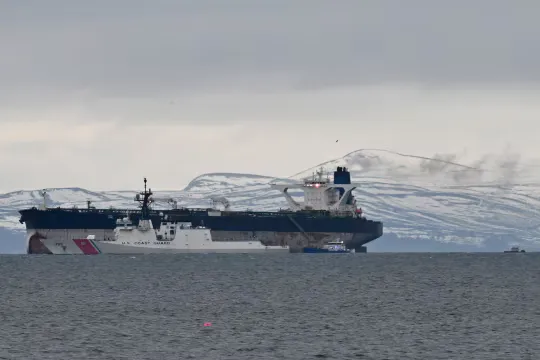
The administration of US President Donald Trump has discussed the possibility of seizing additional tankers transporting Iranian oil, but has so far refrained from taking such a step. According to American officials, Washington is considering Iran's almost certain response and the potential impact on global oil prices. This was reported by The Public with reference to The Wall Street Journal.
For the past two months, the US has been using a similar strategy against ships carrying sanctioned Venezuelan oil. This refers to the so-called shadow fleet, which is used to transport raw materials from countries under sanctions, in particular to China. According to analysts' estimates, about 1,000 ships operate in such a network.
Extending the campaign to Iran could hit Tehran's main source of income. This year, the US Treasury Department has already imposed sanctions on more than 20 ships carrying Iranian oil, and last week added 14 more tankers registered in Barbados, Cameroon and Panama, as well as the companies that operated them, to the list.
However, the risks remain high. Up to 25 per cent of the world's oil supplies pass through the Strait of Hormuz. If pressure increases, Iran could seize US allies' tankers or even mine the strait. Analysts warn that this could cause oil prices to skyrocket and have serious political consequences for the White House.
Last week, an Iranian drone and two Islamic Revolutionary Guard Corps boats approached a US-flagged tanker in the Strait of Hormuz. According to US Central Command, a US military ship and aircraft escorted the vessel to a port in Bahrain. The US Department of Transportation has warned commercial vessels of increased risks in the Strait of Hormuz and the Gulf of Oman.
The USS Abraham Lincoln aircraft carrier and five guided-missile destroyers are in the region. A US Coast Guard unit is also operating in Bahrain, with the authority to enforce sanctions.
Iran has previously attacked or seized commercial vessels during confrontations with the US, notably during the so-called tanker war in the 1980s, when hundreds of ships were attacked. Experts note that blocking the strait is not in Iran's own interests, but under pressure and in the midst of an economic crisis, Tehran may take radical steps.
China remains the largest buyer of Iranian oil. Deliveries are made at a discount of about $10 per barrel compared to the market price. For the US, the interception of tankers is seen as one of the options for putting pressure on Iran in negotiations over its nuclear programme, but the White House stresses that diplomacy remains the priority.