The US war with Iran has cost the Pentagon over 40 billion dollars

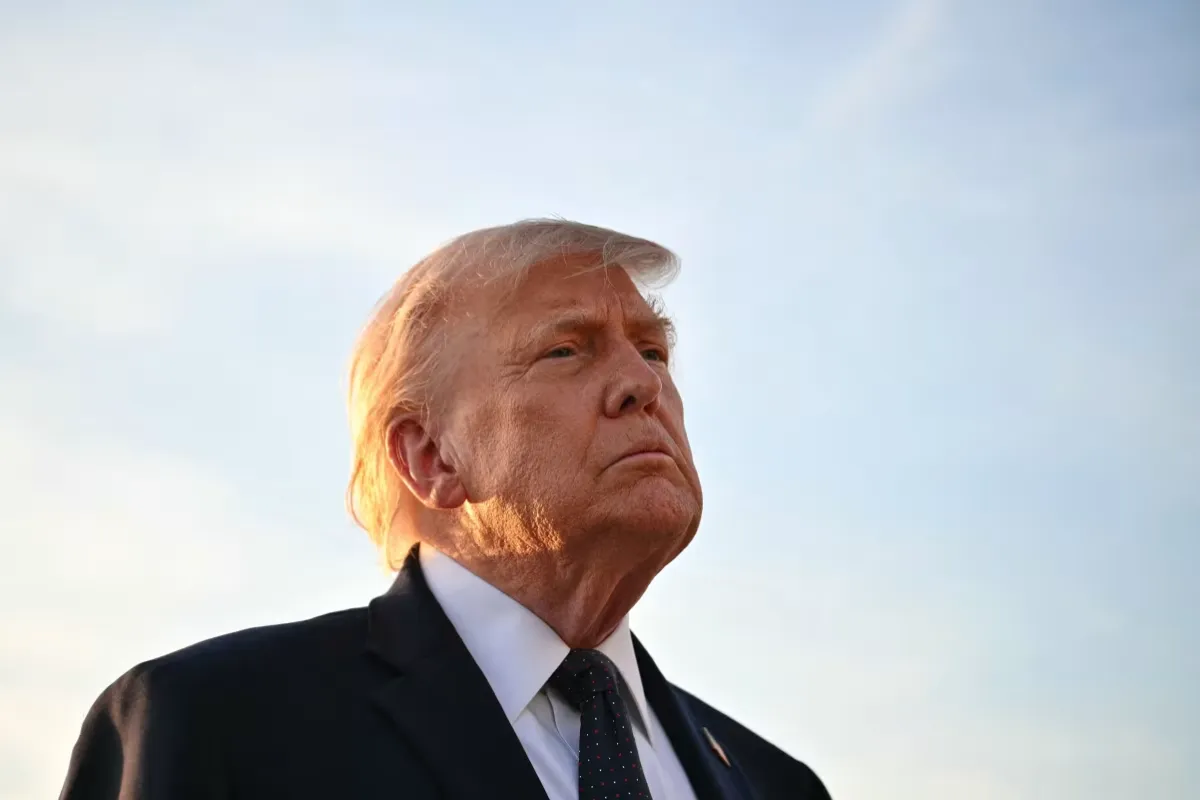
Following the signing of a new agreement and an understanding to continue negotiations, the war between the US and Iran has now been put on hold. US President Donald Trump has stated that the United States has emerged victorious from the conflict.
In his post, Trump emphasised that oil supplies have resumed, Iran will not acquire nuclear weapons, stock markets are rising, and prices are falling.
However, an assessment of the consequences of more than 100 days of conflict reveals a far more complex picture. During this period, 13 American service personnel and more than 7,500 civilians in the region were killed.
According to preliminary estimates by the Centre for Strategic and International Studies, as reported by CNN, the US Department of Defence’s direct expenditure on the war amounted to around $40 billion. This figure includes costs for ammunition, destroyed equipment and damage to military bases.
The Pentagon has also requested additional funding of $80 billion. Less than $20 billion of this sum is directly related to the war against Iran.
Ammunition was the largest item of expenditure, accounting for around $26 billion. In particular, a single Tomahawk missile costs approximately $2.5 million, and the US has used around a thousand such missiles.
The war has also significantly depleted US arms stocks. In June, Trump invoked the Defence Production Act to compel defence companies to ramp up weapons production.
The conflict has also affected the energy market. Petrol prices in the US rose from less than $3 per gallon to over $4 for much of the war. As of Friday, the average price stood at $3.97 per gallon.
Diesel prices rose even more sharply. Before the war began, the average price was around $3.80 per gallon, but by 15 June it had exceeded $5. As a result, Americans spent an additional $27.1 billion.
The rise in diesel prices has also affected farmers, the logistics sector and the cost of fertilisers, which could have long-term consequences for the agricultural sector.
The US Strategic Petroleum Reserve has fallen to its lowest level since 1983. According to CNN, reserves have declined significantly against the backdrop of the war.
The global market has lost 1.15 billion barrels of oil supplies since the conflict began. As a result, countries have been forced to draw more heavily on their reserves and increase production.
The situation remains particularly tense at the Cushing oil hub in Oklahoma. According to the US Energy Information Administration, only 20 million barrels of oil remain there.
The war has also intensified inflationary pressures. Annual inflation in the US has exceeded 4% for the first time in the last three years. This is significantly higher than the level the Federal Reserve typically aims for.
Due to high inflation, the Federal Reserve has not cut interest rates. Moreover, the market expects them to rise further by the end of the year.
This is already affecting the credit market. Mortgage rates remain high. The average rate for a 30-year fixed-rate mortgage stood at 6.47% last week.
Despite economic pressures, the stock markets continued to rise after a brief dip. Investors remain active, and stock market indices are hitting new records.
At the same time, Donald Trump’s approval rating remains low. According to the CNN Poll of Polls, as of 15 June, 37 per cent of Americans approved of his performance. In February, this figure stood at 38 per cent.
According to a Fox News poll, 31 per cent of registered voters support Trump’s economic policy, whilst 35 per cent approve of his actions regarding Iran.