A war with Iran heightens the risks of a prolonged global gas crisis

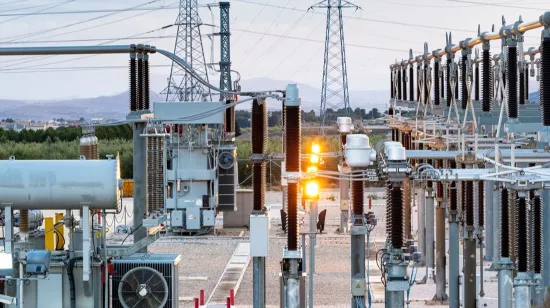
Every week that Ras Laffan, the world’s largest liquefied natural gas plant, remains shut down, the world loses enough energy to power Sydney’s households for a year. The complex was shut down in early March following an attack by an Iranian drone, and further strikes following Israel’s attack on South Pars caused extensive damage. The two damaged production units have a combined capacity of 12.8 million tonnes per year, equivalent to around 17 per cent of Qatar’s LNG exports. Repairs are estimated to take up to five years, according to Bloomberg.
Three weeks of war in the Middle East have already disrupted the entire energy supply chain. The near-total closure of the Strait of Hormuz is driving up fuel prices, and LNG is becoming one of the most pressing issues due to a lack of spare capacity, reserves and quick alternatives. MST Marquee analyst Saul Kavonic stated that the market is already heading towards a major gas crisis, and disruptions could last for months or years. Morgan Stanley believes that a supply disruption lasting more than a month will quickly lead to a shortage, whilst a three-month shutdown would be the biggest disruption in the industry’s history in half a century.
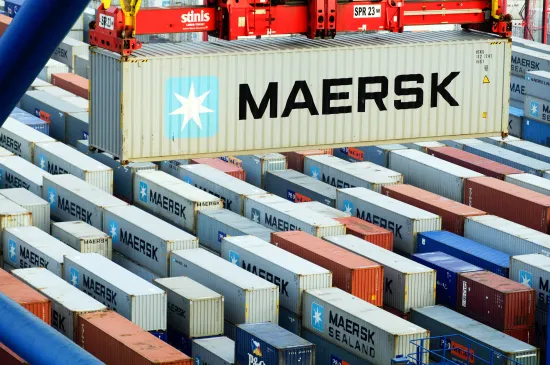
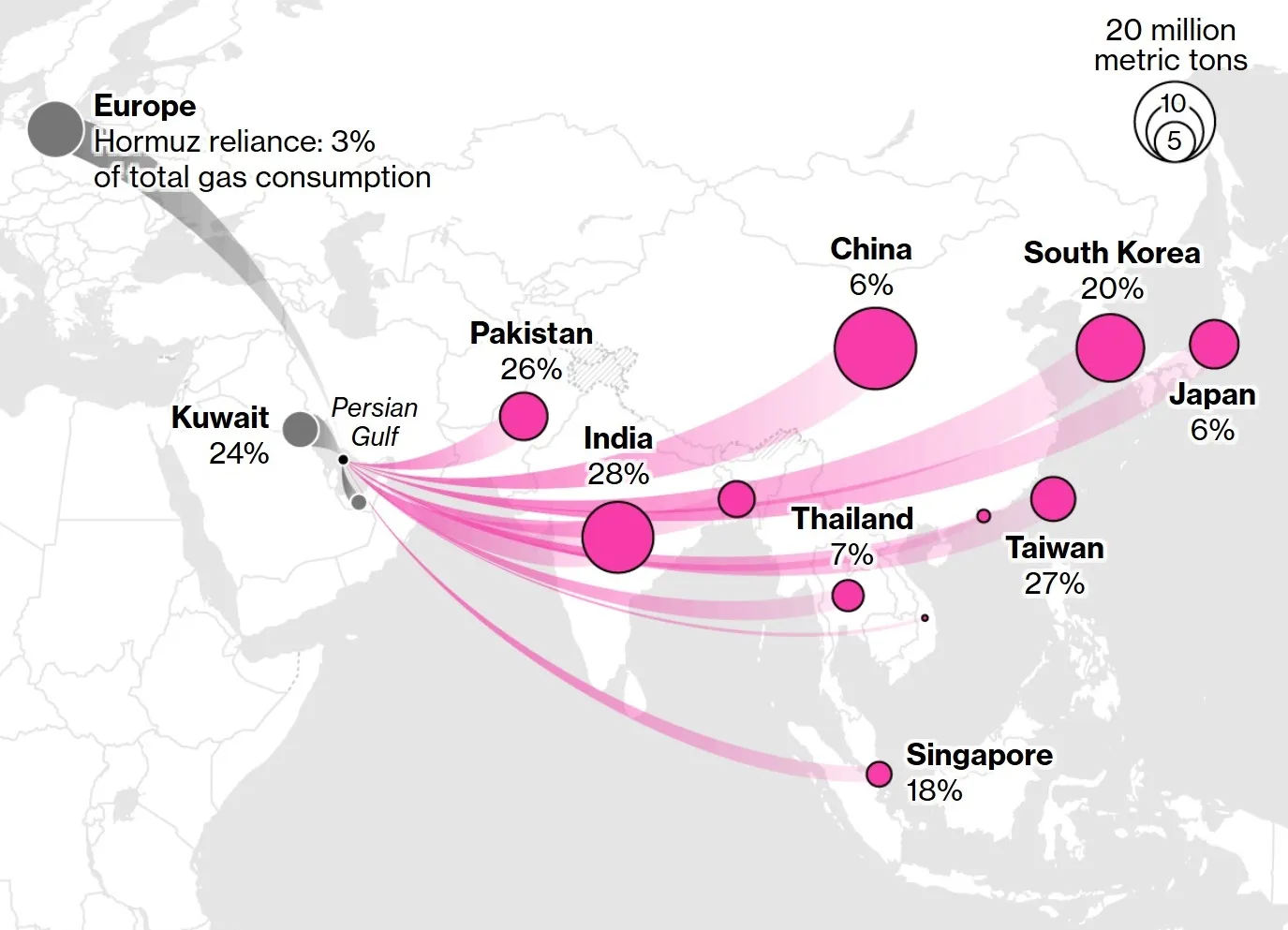
South and South-East Asia, which purchases the majority of Qatari LNG, is already feeling the impact most acutely. Pakistan, which relies on Qatar for 99 per cent of its imports, has already warned of a possible gas shortage for the power sector from mid-April. In Asia, LNG is widely used in industry, so rising prices are hitting fertiliser, glass and textile production. A single shipment to Asia now costs around $80 million, more than double the pre-war level. Vietnam and the Philippines have effectively suspended new purchases, whilst India is signing some of the most expensive contracts in recent years.
The report notes that under such conditions, some countries may switch to coal even more. The Philippines is negotiating with Indonesia for additional supplies, whilst India expects record coal consumption this year. ICIS analyst Evan Tan said that the market is already assessing not only the upper limit of price growth but also the point at which South Asian buyers will completely exit the spot market.
A prolonged shutdown in Qatar will be a problem not only for developing countries. Rystad Energy believes that a six-month hiatus will put pressure on Europe and developed Asian countries too, particularly ahead of winter stockpiling. In Europe, the situation is complicated by low stocks following a cold winter. Bank of America predicts that demand will have to be curbed further in the summer due to a gas shortage.
Australia, the US and Russia stand to benefit from the crisis. Asian countries are already turning to the US for additional LNG, and the next major American project is set to be the Golden Route in Texas. Russia, meanwhile, continues to supply LNG to China. At the same time, Europe and Asia risk competing for limited gas supplies, which could trigger a new price war. Menelaos Idreos, Secretary General of the International Gas Union, noted that during sharp price spikes, wealthier countries will continue to buy gas, whilst poorer ones will be squeezed out of the market.