EU experts have arrived in Ukraine to inspect the Druzhba pipeline: what does this mean for the pipeline?

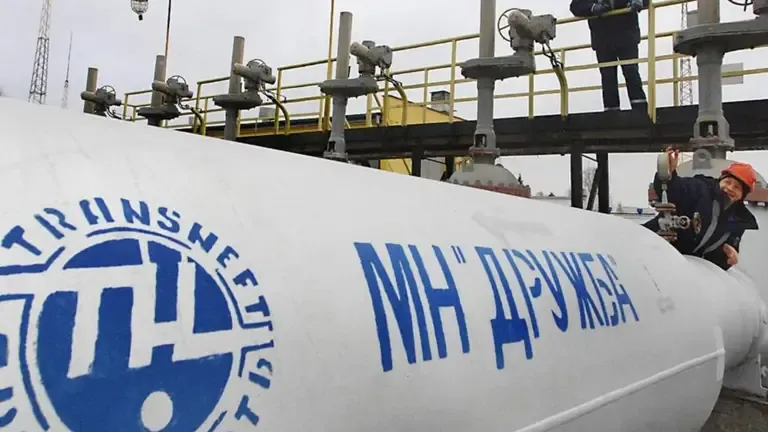
This is according to Reuters. A group of European Union
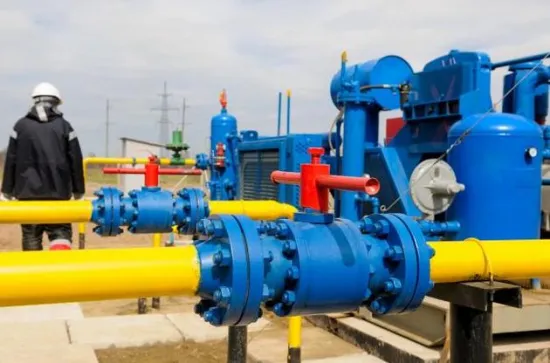
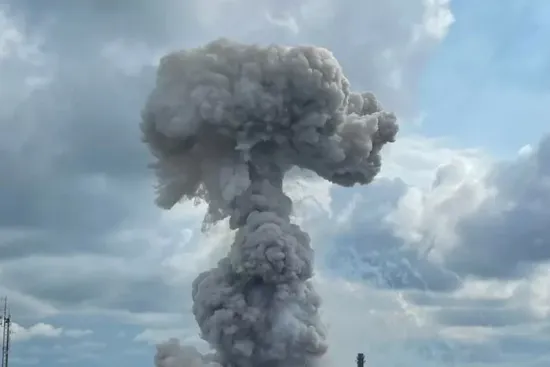
experts has arrived in Ukraine to assess the condition of the Druzhba oil pipeline, which has been out of service since late January following damage to equipment caused by a Russian strike on infrastructure in the west of the country. It was precisely following this shutdown that a separate dispute arose with Hungary, which is blocking a major EU loan for Ukraine.
Naftogaz has stated that the company appreciates the EU’s offer to provide financial and technical assistance for the restoration of infrastructure facilities, in particular the pumping station in Brody. Naftogaz CEO Serhiy Koretskyi noted that the technical team’s work should help Naftogaz and Ukrtransnafta restore the pipeline in accordance with the highest European engineering and safety standards and prevent further attacks.
Reuters reports that last week the EU officially proposed sending a mission to inspect the Druzhba pipeline. Following this, Kyiv agreed to accept technical support and funding to resume oil pumping through the damaged route.
For the lay reader, the gist of the story is this: “Druzhba” is an oil pipeline through which Russian oil flowed across Ukrainian territory to EU countries, primarily Hungary and Slovakia. After the flow was halted, these two countries were left without supplies via this route and began to put pressure on Kyiv, accusing it of delaying repairs. Ukraine rejects these accusations and insists that the issue is specifically the consequences of the Russian strike.
According to Reuters, Hungary even sent its own mission to Ukraine this month to investigate the circumstances surrounding the halt in transit, but Kyiv has not published any official findings from this visit. Meanwhile, Hungary and Slovakia have publicly stated that Ukraine is allegedly delaying the resumption of supplies for political reasons.
A separate political dimension to the story relates to EU finances. Reuters reports that on 19 March, European leaders were set to step up pressure on Hungarian Prime Minister Viktor Orbán to stop blocking a €90 billion loan for Ukraine. Budapest itself links its position specifically to the restoration of the oil pipeline.
Reuters also notes that in 2025, transit through the Ukrainian branch of the Druzhba pipeline fell to its lowest level in ten years – 9.7 million tonnes. Of this volume, Slovakia received 4.9 million tonnes and Hungary 4.35 million tonnes. This shows just how important this route remains for both countries, despite the EU’s general policy of reducing dependence on Russian oil.
Thus, the visit by EU experts is important not only as a technical inspection of the damaged facility. It also determines the pace of repairs, the future of transit, and a specific aspect of the political conflict between Ukraine, Hungary and Slovakia regarding energy and European aid. This follows from the combined statements of Kyiv, the EU and the countries that received oil via the Druzhba pipeline.