The housing scheme does not address the scale of the housing crisis in Ukraine

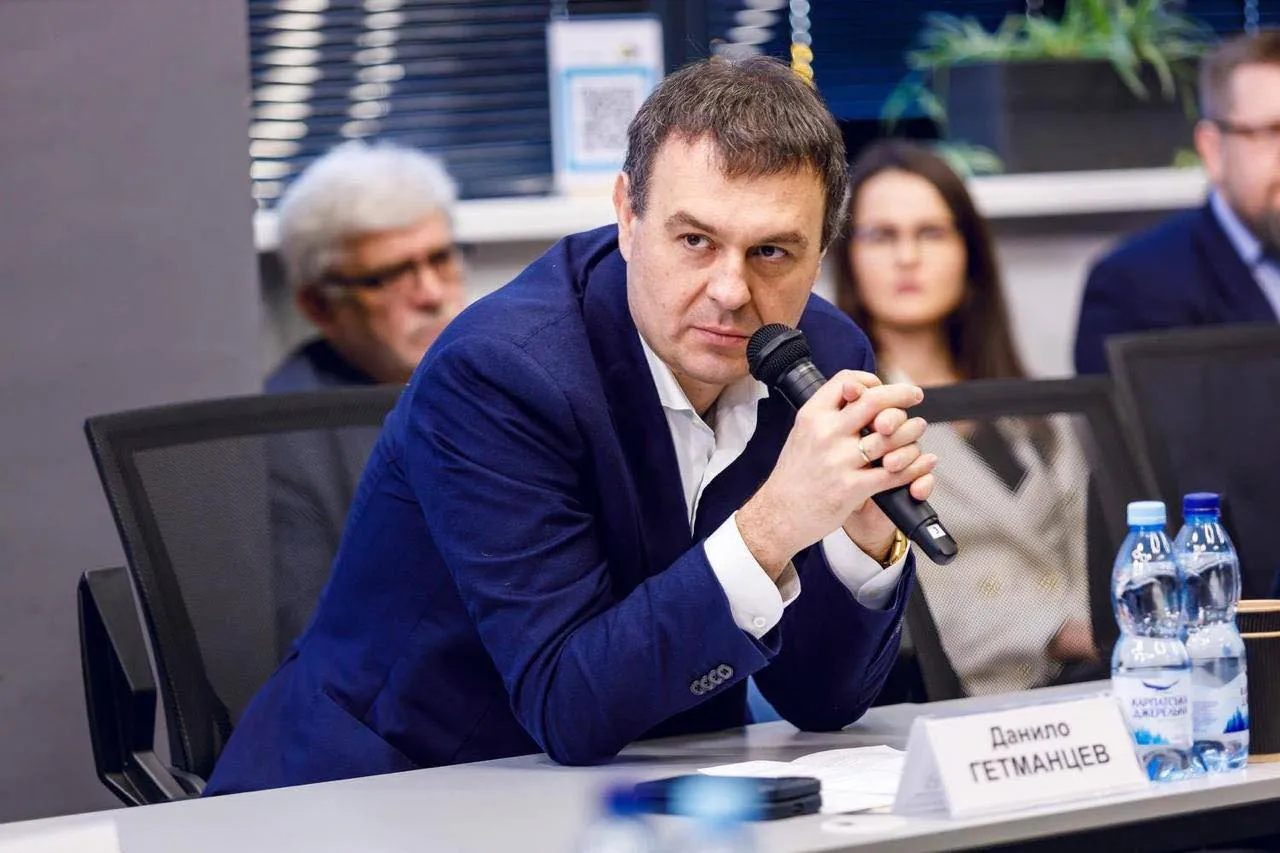
As of early 2026, the housing crisis in Ukraine, according to a comment by Danylo Getmantsev to the publication NV, has escalated from a chronic to a critical situation. According to estimates, over 3 million households – effectively one in every three or four Ukrainian families – have been affected in one way or another by the destruction of the housing stock.
If we add to this the 4.5 million internally displaced persons and the hundreds of thousands of people who were in need of improved housing conditions even before 2022, the number of those requiring a housing solution far exceeds the capacity of existing programmes.
The text notes that a mortgage in Ukraine today is not merely a banking product, but also an economic and social tool.
The author emphasises that the construction sector is one of the driving forces behind recovery. According to the data provided, it grew by 11.3% in 2025, following growth of 17.8% and 31.8% in previous years. The text also states that this is the sector that was the first to return to pre-war levels in 2021.
Last year, the volume of residential construction amounted to 34.5 billion UAH. The text emphasises that behind every construction project stand metallurgists, manufacturers of building materials and finishes, as well as tens of thousands of jobs and billions in revenue for budgets at all levels.
At the same time, the article notes, developers have found themselves held hostage by a lack of long-term funding, and bank lending remains the number one problem.
Separately, Danylo Getmantsev highlights the social dimension of the problem. As of the end of 2025, damage to the housing stock was estimated at $61.1 billion, and 14% of all housing in the country had been damaged or destroyed. The text also cites World Bank data, according to which one in three Ukrainians currently falls into the category of the poor. Against this backdrop, only a handful can afford to buy a home with their own savings, which is why, as noted, a mortgage becomes the only option.
The eOselya programme was launched in autumn 2022. During this time, according to the data provided, 24,600 loans totalling 42.8 billion hryvnias were issued. At the same time, the text states that, compared to the reconstruction needs estimated by the UN and the World Bank at 89.8 billion dollars over the next decade, this pace is insufficient.
Among the reasons why the programme, in the MP’s assessment, is not operating at full capacity, low creditworthiness is cited. Teachers, medical staff and academics account for only 7% each of the recipients. At current salary levels, it is difficult for banks to verify their ability to service a loan over 15 or 20 years.
Getmantsev identifies the geographical distribution of loans as another problem. The programme is barely operational in frontline regions. In the Sumy region, 243 loans were issued; in the Kharkiv region, 231; and in the Kherson region, as stated in the text, not a single one.
The article also highlights the demographic aspect. Only 365 families with three children have taken advantage of the affordable mortgage scheme, accounting for 1.5% of the total. The author believes that for a country in the midst of a demographic crisis, this is unacceptably low.
In its current form, the text states, the ‘Home’ programme is unable to tackle the problem. The author proposes creating a comprehensive national programme for reconstruction and renovation that will change the very logic of the process.
Among the proposed steps are the establishment of a legislative framework through the implementation of Directive 2014/17/EU and the acceleration of draft law No. 13435 on European property valuation standards.
An institutional overhaul is also proposed through the merger of Derzhmolodzhytlo and Ukrfinzhytlo to ensure unified coordination.
Separately, the report discusses transforming the model by shifting from a budget-based mortgage system to a compensation-based model, as well as new financial instruments, including the introduction of escrow accounts as proposed by the NBU and the development of the securitisation market.
Danylo Getmantsev calls for this step to be taken for 1 million families. The text states that this should involve a loan term of up to 25 years, an interest rate of 3–5% per annum, and a repayment amount not exceeding 20–25% of the family’s income or equal to the rental rate plus 10–20%.
In the author’s view, only such a scale and such conditions will make it possible to solve the housing problem and create a foundation for Ukrainians to return home and live in their own country.