Russia's liquid reserves are melting away: the National Welfare Fund may be depleted within a year

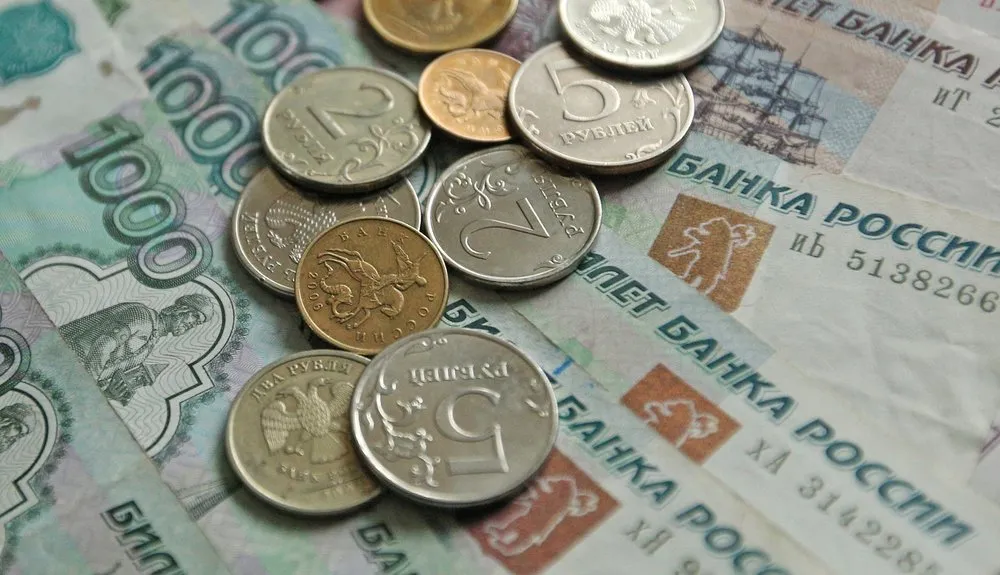
The liquid portion of Russia's National Welfare Fund has shrunk 2.5 times during the full-scale war against Ukraine and may be completely depleted within a year. This was reported by the Centre for Countering Disinformation at the National Security and Defence Council, citing estimates by Gazprombank's Economic Forecasting Centre.
According to Russian analysts' calculations, at current oil prices in the range of $36-40 per barrel, the fund's resources will last for approximately 1-1.3 years. If the price drops to $30-35, the reserves may disappear before the end of this year.
The CSD notes that the NWF's funds are actively used to cover the budget deficit, which is growing due to the fall in oil and gas revenues. The threshold price for filling the Russian Federation's budget is $59 per barrel, and all losses below this level are compensated by reserves. At the same time, the actual quotations for Russian Urals oil have been significantly lower than this indicator for a long time, which leads to a rapid reduction in the fund.
Before the start of the full-scale war, the liquid assets of the National Welfare Fund amounted to $113 billion, or 6.5 per cent of Russia's GDP. Currently, this amount has fallen to $52 billion, which corresponds to only 1.9 per cent of GDP.
If the fund is completely depleted, the Russian authorities will have to drastically cut budget spending. It is these reserves that have been used for years to finance pension payments and cover the pension system's deficit. The Centre for Countering Disinformation emphasises that in such a situation, the Kremlin will in fact be forced to pay for the war at the expense of social payments to Russians.