Peace talks are progressing, but the territorial issue remains the main obstacle

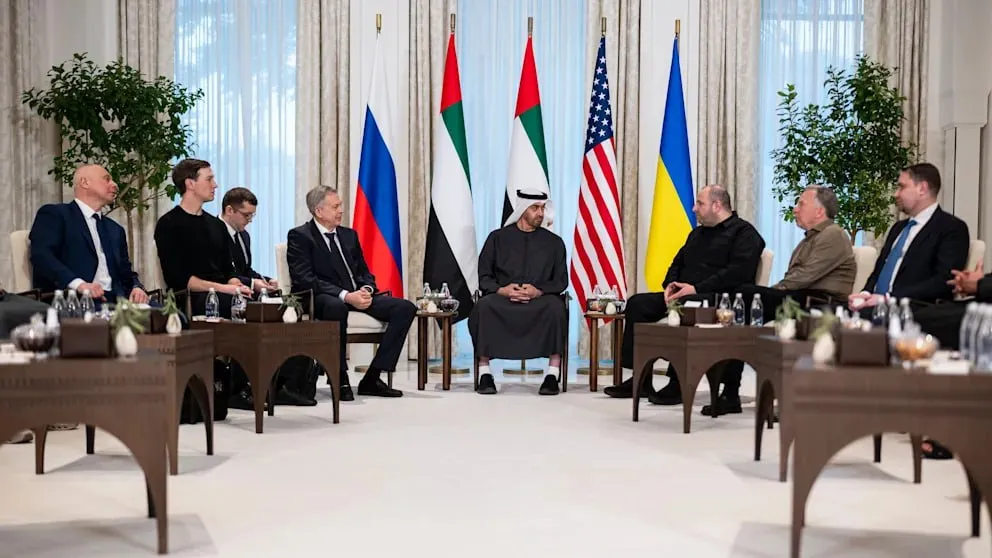
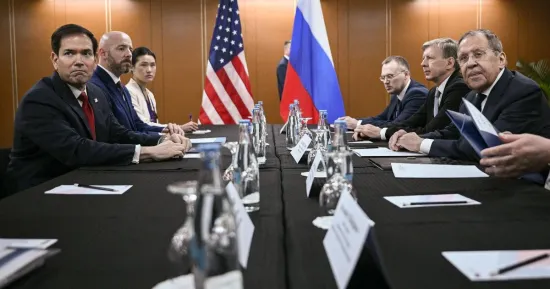
The prospect of a peaceful settlement to the war in Ukraine has reappeared on the international agenda following trilateral talks between Ukraine, Russia and the US, which took place last weekend in Abu Dhabi. This is the first such meeting since Russia's full-scale invasion in 2022. The parties did not break off the dialogue and agreed to continue consultations in the near future, according to the Financial Times.
Washington is trying to act as a mediator in these talks, rather than a party to the conflict. Both Kyiv and Moscow are publicly demonstrating their willingness to engage in dialogue. On the eve of the meeting in Abu Dhabi, President Volodymyr Zelenskyy stated in Davos that he was satisfied with the post-war security guarantees proposed by the United States. At the same time, he stressed that the issue of territories remains a key and still unresolved issue.
A similar assessment was made by the chief US negotiator, Steve Witkoff, who informed European partners that all elements of a possible agreement had been agreed upon, with the exception of the territorial block. For Russia, control over the entire Donbas region remains a minimum acceptable condition. Currently, Russian troops hold about 80 per cent of the region, but the remaining territories form a so-called fortified belt, which the Ukrainian side considers critical for deterring future aggression.
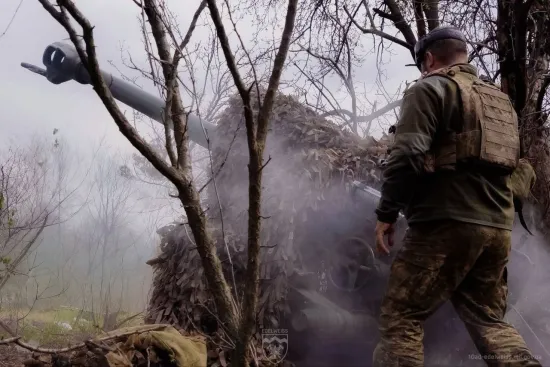
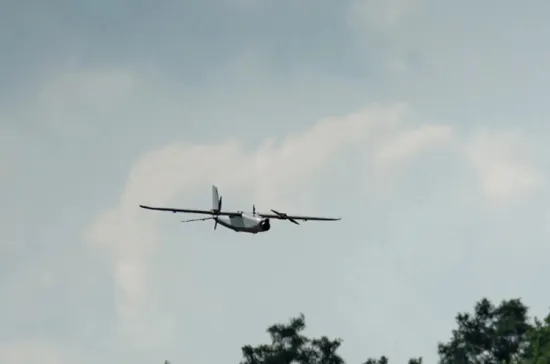
Western intelligence estimates the Russian army's losses to be extremely high. In December alone, according to their data, Russia could have lost about 30,000 soldiers killed and wounded, while the ratio of losses was one Ukrainian soldier to twenty-five Russian soldiers. These figures are linked to Ukraine's active use of drones and the Russian Federation's tactics of massive infantry attacks.
Despite growing pressure on the Russian economy, problems with mobilisation and increased financial bonuses for recruits, there are no signs of a change in the Kremlin's position yet. Moscow also shows no willingness to accept Western security guarantees, which provide for the presence of European troops on Ukrainian territory.
At the same time, Ukraine is under serious internal pressure. Massive missile strikes on energy infrastructure have led to power and heat outages in cities during cold spells. Kyiv's willingness to negotiate is explained both by its desire to avoid conflict with Donald Trump's administration and by the general fatigue of society with the protracted war.
European concerns about Washington's possible pro-Russian bias have eased somewhat in recent weeks. At the same time, there is growing concern in the EU that the US may lose interest and patience with the complex and lengthy peace process. The history of similar conflicts shows that negotiations can take years. Despite the launch of a formal diplomatic process, hostilities are likely to continue.
Volodymyr Zelensky, Ukraine, Davos, UAE, US, Steve Witkoff, Donald Trump