The summer solstice on 21 June 2026: exact time, traditions and taboos

This is reported by TSN
What is the summer solstice?
The summer solstice occurs due to the tilt of the Earth’s axis relative to the Sun. During this period, the Northern Hemisphere receives the most sunlight of the year. This is why the day is at its longest and the night is at its shortest.
At the moment of the solstice, the Sun rises to its highest point above the horizon. After this date, the length of daylight gradually begins to decrease.
Why the summer solstice was considered special
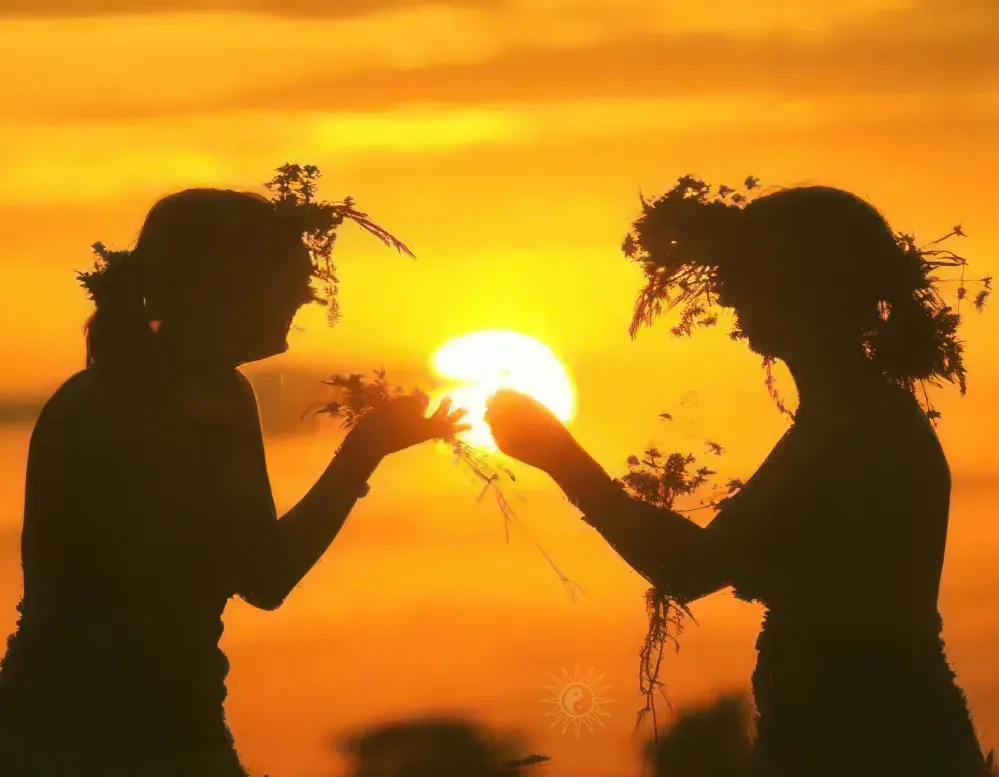
In various cultures, this day symbolised the victory of light over darkness, fertility and the life force. In Slavic traditions, the summer solstice period was associated with purification rituals, the gathering of medicinal plants and the veneration of natural forces. It was believed that at this time, herbs possessed special properties, so they were gathered to make medicinal infusions.
What not to do on the day of the summer solstice
There are no official prohibitions on this day, but certain superstitions have been preserved in folk traditions. Our ancestors believed that on 21 June one should not:
- argue or sort out relationships — it was believed that conflicts could drag on for a long time;
- refuse to help those in need;
- spend the day in a bad mood and dwell on negative thoughts;
- undertake any endeavours with bad intentions or out of envy.
What to do on 21 June
The summer solstice was traditionally considered a favourable time for spending time in nature, socialising with loved ones and planning new endeavours. People also used to gather herbs and plants at this time, as it was believed that they were at their most potent. However, all these folk superstitions and taboos are simply part of tradition and have no scientific basis.
Follow us on our Telegram channel