The war against Ukraine has changed Russia's economy, but at a significant cost

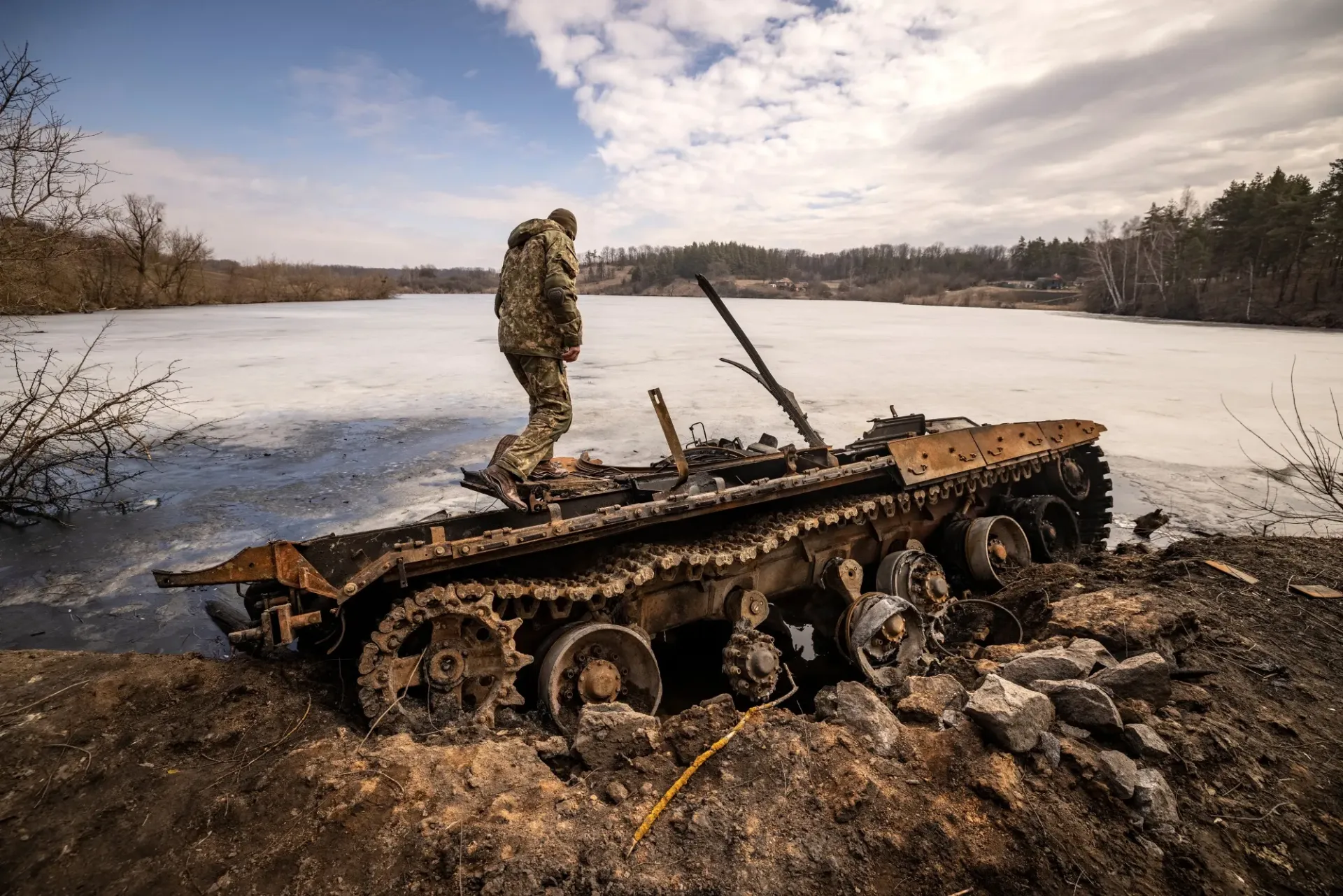
During four years of war against Ukraine, President Vladimir Putin has made it a central element of his policy. This approach, as noted, has allowed Russia to stabilise the situation on the front lines and formulate its own demands during negotiations mediated by Washington.
At the same time, the war has caused significant human and economic losses. According to some estimates, up to 1.2 million Russians have been killed or wounded. According to the Centre for Strategic and International Studies in Washington, about 325,000 soldiers have died on the battlefield.
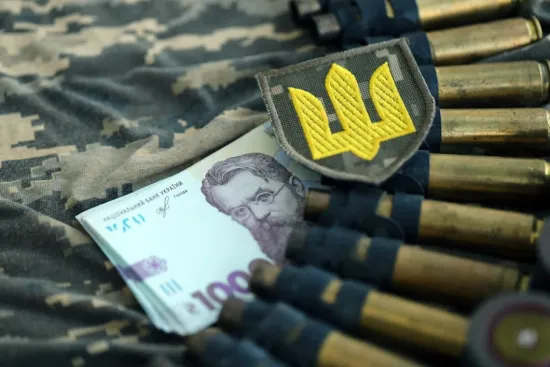
Currently, almost 40 per cent of Russia's federal budget is allocated to military and security needs. Another 9 per cent is spent on servicing the debt incurred to finance the war. At the same time, Russia is rapidly using up the funds of the National Wealth Fund, which had liquid reserves of about $113 billion before the war, and this month amounted to approximately $55 billion.
Economists note that significant funds are being spent on tanks, ammunition and military payments, which does not create long-term added value for the country's development. According to Janis Kluge of the German Institute for International and Security Affairs, the war is consuming vast resources that could be used elsewhere.
The war has also exacerbated the demographic crisis. By 2100, Russia's population could shrink to less than 100 million from a pre-war population of approximately 145 million, according to pessimistic forecasts. In addition, hundreds of thousands of Russians have left the country amid increasing repression. According to the human rights group Political Prisoners Memorial, at least 4,029 people have been involved in politically motivated criminal cases in Russia and the occupied territories of Ukraine.
A survey conducted by the independent Russian platform Chronicles showed that 59 per cent of Russians aged 18 to 29 would support withdrawing from the war without achieving the stated goals, while among all respondents, this figure was 42 per cent.
The first years of the war were accompanied by economic growth amid massive military spending, which contradicted predictions of a rapid collapse under sanctions. However, the economy is now facing a decline in oil and gas revenues, which fell by almost a quarter last year, as well as high interest rates and labour shortages.
The war has widened the gap between sectors of the economy. Defence-related businesses or those that have benefited from the departure of foreign companies are showing growth, while the gas, automotive and coal industries are in decline. Small businesses are facing higher taxes and expensive loans, while the population is feeling the pressure of rising prices and utility rates.
Russia has become more dependent on China as a buyer of oil and a supplier of technology. Negotiations with Donald Trump's administration indicate Moscow's desire to restore relations with the United States and seek the lifting of sanctions as a path to economic recovery.
At the same time, the return of Western business remains uncertain. During the war, Russia nationalised the operations of a number of Western companies. Experts note that the developed military model of the economy has become a structural change that will be difficult to reverse even if the war ends.