Ukraine's transition to the euro is possible after meeting the criteria — NBU

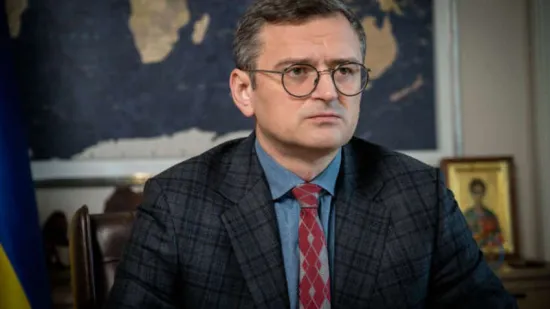
This is stated in a column for RBC-Ukraine by Volodymyr Lepushynskyi, Deputy Governor of the National Bank of Ukraine.
After joining the EU, Ukraine will receive the status of a country with a derogation — a temporary exemption from the requirement to introduce the euro. This means that the transition to the common European currency will be postponed until the necessary criteria are met.
These conditions include ensuring price stability, complying with requirements for public debt and budget deficit levels, stability of long-term interest rates, and a stable national currency exchange rate. In addition, the country must participate in the ERM II exchange rate mechanism for at least two years without significant currency fluctuations.
The experience of Central and Eastern European countries shows that the transition to the euro after joining the EU does not happen automatically. Of the 11 countries in the region that joined the European Union after 2004, only seven have introduced the euro. At the same time, Poland, the Czech Republic and Hungary are keeping their own currencies, in particular because of the possibility of independently determining the timing of their accession to the eurozone.
The NBU notes that after switching to the euro, the country transfers its monetary policy powers to the European Central Bank. This limits the ability to independently change interest rates and currency policy in response to economic shocks.
Premature introduction of the euro could affect the process of economic convergence. In this case, prices would rise to EU levels mainly due to inflation rather than the strengthening of the national currency's exchange rate. This could lead to prolonged inflationary pressure.
The NBU also emphasises that it is important for Ukraine to maintain its own monetary policy in view of the specific economic challenges associated with the war, in particular the impact of shelling, energy restrictions and changes in economic activity.
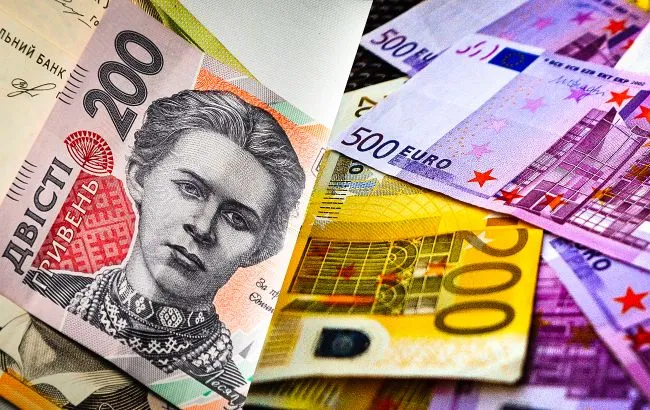
At the same time, the role of the euro in Ukraine's economy is growing. The share of the European currency in payments for imports of goods and services is increasing, as is its use by the population for savings and deposits. This may contribute to the development of trade and economic integration with the EU.
The National Bank notes that the key task at present is to ensure macro-financial stability and continue European integration reforms. This will create the conditions for joining the eurozone in the future.