Russia's reserves have fallen, whilst its dependence on China is growing – economists

The Kiel Institute for the World Economy and the Stockholm Institute of Transition Economics have published a study noting that the Russian economy is showing increasingly evident signs of structural exhaustion following more than four years of war against Ukraine.
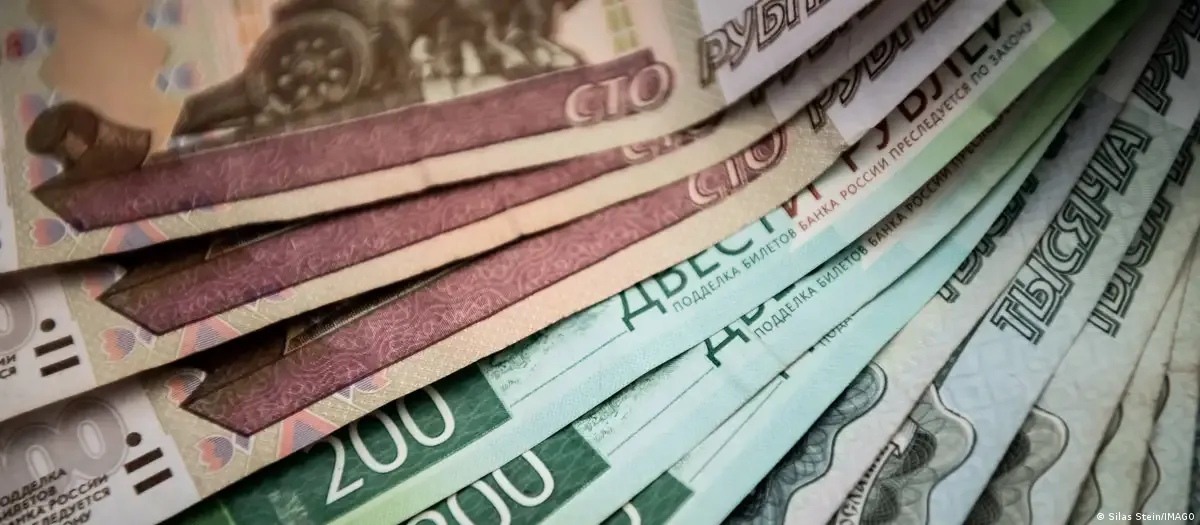
According to the researchers, the liquid assets of Russia’s National Wealth Fund have fallen from 6.5% of gross domestic product before the war began to 1.8% today. At the same time, the Russian Federation’s federal budget deficit in the first quarter of 2026 has already exceeded the target set by the government for the whole year. Oil and gas revenues for this period fell by 45% compared with the same period last year.
Moritz Schularik, President of the Kiel Institute for the World Economy, stated that in the early years of the war, the Russian economy proved to be more resilient than many experts had expected; however, reserves are now running out and economic growth has stalled. According to him, the country’s budget reserves have been largely used up, and the rise in oil prices due to the war in the Persian Gulf may have only a temporary positive effect on the budget.
The authors of the study also draw attention to the growing debt burden. To finance military expenditure, the Russian authorities are increasingly relying on extra-budgetary mechanisms, active lending and support through the banking system. Since the start of the war, the debt of Russian enterprises has risen significantly, as banks have channelled resources into sectors linked to military production.
Study co-author Matthew Klein noted that the main constraint for Russia at present is not a lack of money, but a shortage of labour, technology and production capacity. In his view, further increases in spending amid sanctions and labour shortages could exacerbate inflation without delivering a commensurate increase in military capability.
The authors paid particular attention to Russia’s growing dependence on China. According to their estimates, China accounts for around 35% of Russia’s foreign trade. China remains the main supplier of many critically important civilian and military goods, as well as components used in the defence industry.
The study notes that approximately three-quarters of the increase in Russia’s purchases since 2022 of components vital for military production and subject to Western sanctions are of Chinese origin.
Alicia García Herrero, a co-author of the study, believes that Russia’s dependence on China is growing in the areas of trade, technology and finance, which gives Beijing the opportunity to dictate the terms of such cooperation.
The authors of the study concluded that Russia’s growing economic vulnerability opens up opportunities to increase political pressure. Among the possible measures, they cite tighter controls on exports to Russia, particularly regarding Chinese suppliers, as well as steps aimed at reducing Russian export revenues and countering the so-called shadow fleet.