Why is the energy sector such an attractive target in the war with Iran?

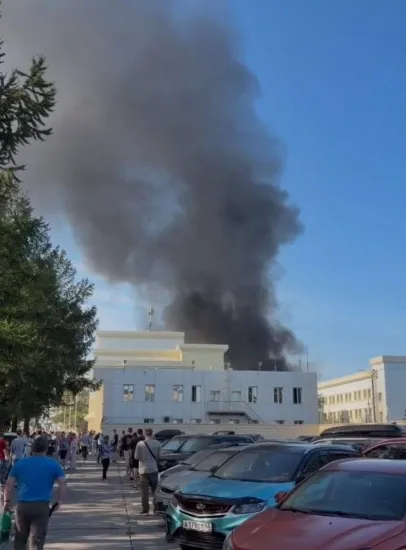
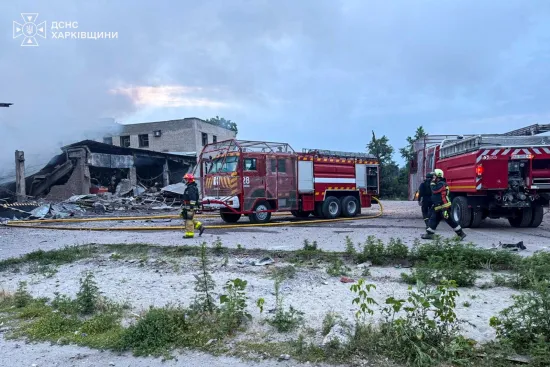
According to an analysis by The New York Times, at least 39 energy infrastructure sites across nine countries have been damaged since the US and Israel launched strikes against Iran. Some were targeted by drones, whilst others were hit repeatedly. In total, at least 47 attacks have been recorded, although there is no exact count.
The energy sector has become one of the key targets for both sides, as it allows for significant economic damage to be inflicted. Iran relies on oil and gas for its economy to function, whilst the United States seeks to curb price rises that could affect the global economy.
The issue concerns not only control over the Strait of Hormuz, but also the time required to restore energy production and processing. According to Clayton Seagle, an expert at the Centre for Strategic and International Studies, strikes on infrastructure have long-term consequences and are difficult to resolve quickly.
The escalation intensified following Israeli strikes on facilities linked to the South Pars gas field. In response, Iran attacked targets in the Gulf states. At least 10 facilities were damaged over the course of the week, including an energy hub in Qatar and oil refineries in Kuwait, Saudi Arabia and Israel.
This led to a sharp rise in oil and gas prices. Brent briefly exceeded $119 per barrel, whereas before the war the price was less than $73.
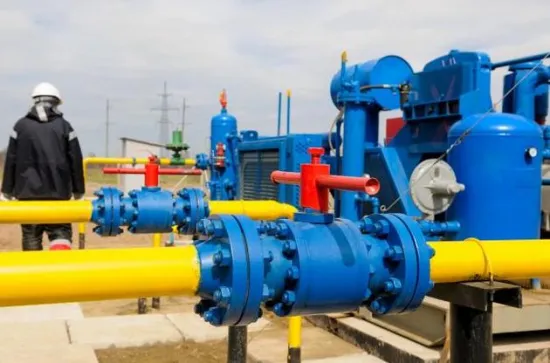
Of particular concern is the situation at Ras Laffan, the world’s largest liquefied natural gas (LNG) terminal in Qatar. Following the attacks, the country halted LNG production. According to QatarEnergy, the damage has reduced export capacity by 17 per cent, and restoration could take up to five years.
Analysts note that there are almost no alternatives to this fuel, and spare capacity in other countries is limited. Oil export routes used by the United Arab Emirates and Saudi Arabia to bypass the Strait of Hormuz also remain vulnerable.
Countries are attempting to mitigate the crisis’s impact by drawing on strategic oil reserves and taking measures to stabilise prices. Meanwhile, US military operations are aimed at unblocking shipping in the strait.
Experts note that the new phase of the war has altered the nature of the risks. Whereas previously the focus was on restricting transit, strikes are now directed directly at infrastructure, which has a long-term effect.
At present, most facilities remain intact, and should shipping resume, production could return to normal levels within a few months. However, further attacks could rapidly alter the situation.
Experts are warning of potential consequences for the global economy. Rising energy prices are affecting inflation, employment and logistics. Higher costs for diesel and aviation fuel could increase the cost of transport and goods worldwide.
According to estimates by Wood Mackenzie analysts, the price of oil could reach $200 per barrel in 2026. This could trigger an economic downturn.
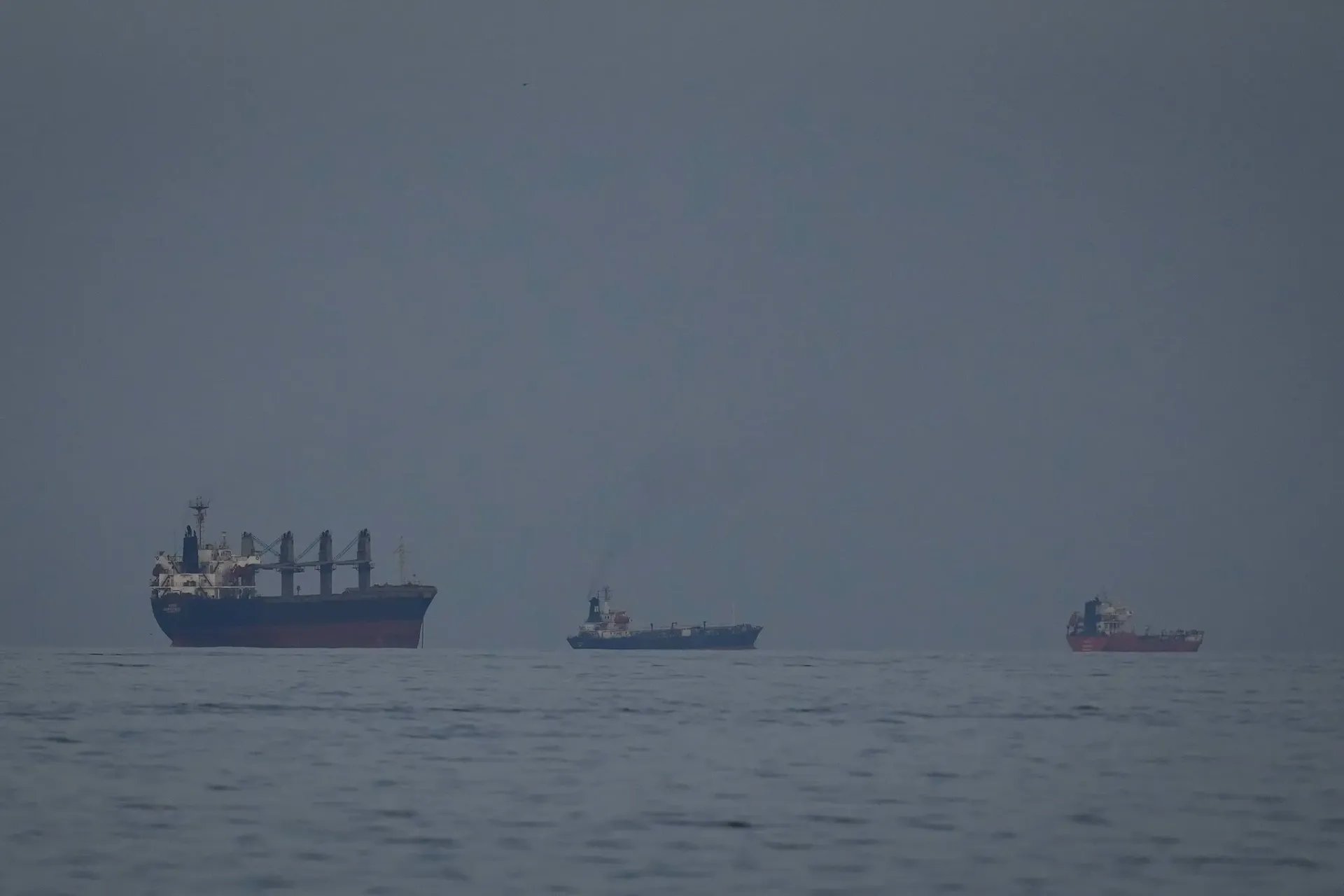
At the same time, costs for transport, insurance and logistics are rising. Some ships are being delayed in the Persian Gulf, and carriers are warning of possible route changes and additional costs for customers.
Governments in a number of countries are already cutting or capping fuel prices. At the same time, limited financial resources are making it difficult to respond to the new crisis.