Russian oil stuck at sea due to tanker congestion off Asia
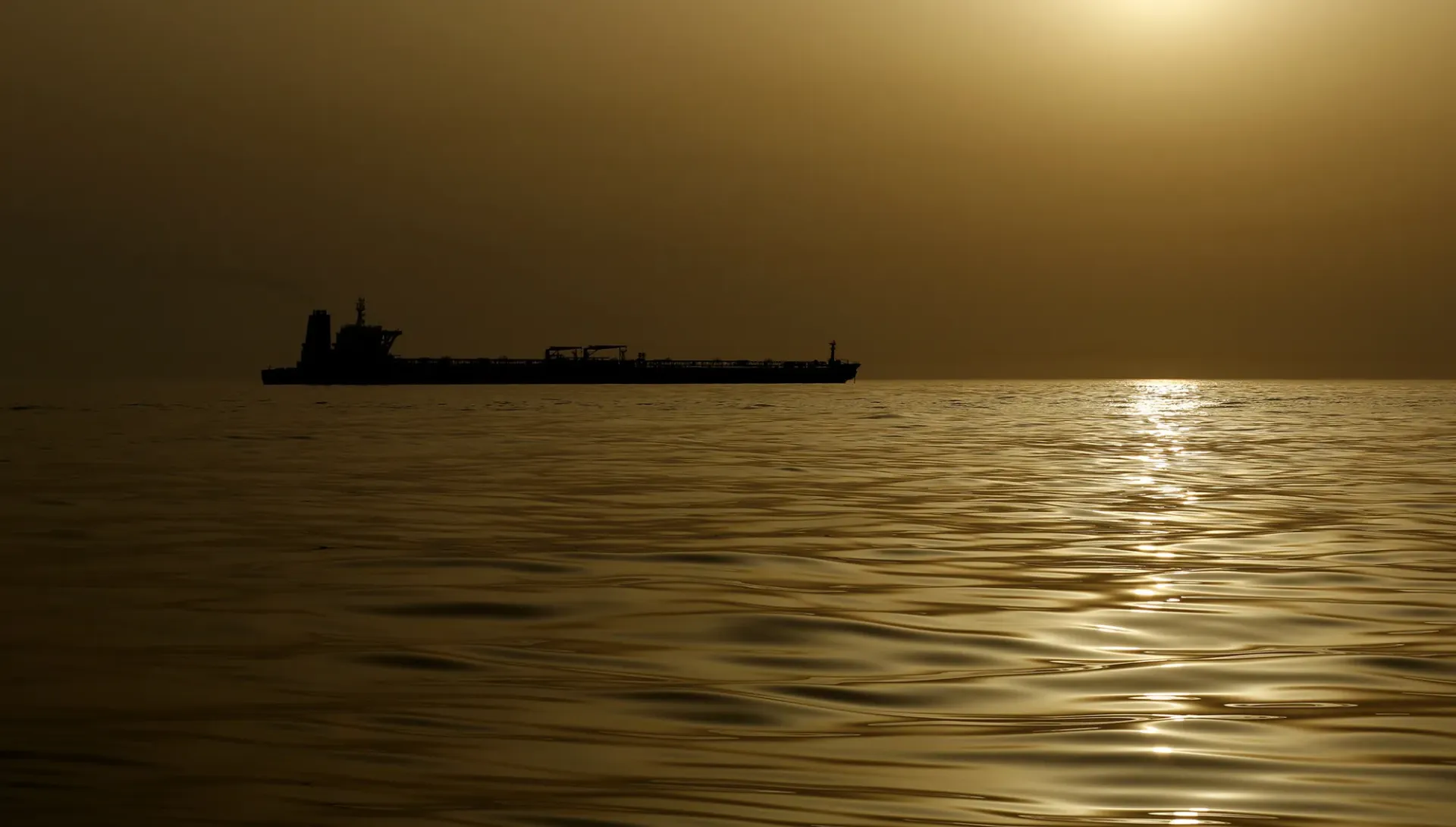
The volume of Russian oil on tankers at sea has risen sharply amid logistical delays in Asian ports. Since the end of August, the amount of oil on ships has increased by 48 per cent to more than 185 million barrels. It is reported by The Public with reference to Bloomberg.
According to Bloomberg, Russia exported an average of 3.87 million barrels of oil per day in the four weeks to 21 December. This is the highest level since May 2023. At the same time, at least 20 tankers with Russian oil are awaiting permission to unload off the coasts of China and India, and some ships have been on the way for several months.
Despite the growth in physical export volumes, the cost of supplies remains almost at a three-year low. Prices for Russian grades have been falling for 12 weeks in a row. Urals crude has fallen by around $25 per barrel, or 40 per cent, from its peak in July and was around $34 per barrel at the end of the week. ESPO from the Far East lost about 30 per cent of its value.
Analysts attribute the situation to the tightening of US sanctions, in particular after the blacklisting of major Russian exporters, as well as tougher actions against tankers carrying sanctioned oil, including Venezuelan oil. This makes carriers and buyers act more cautiously and delays unloading.
In the week to 21 December, 38 tankers loaded 28.31 million barrels of Russian oil. Average daily exports for this period rose to 4.04 million barrels. The main growth was driven by the port of Primorsk in the Baltic Sea.
The majority of Russian oil continues to be shipped to Asia. Deliveries with no fixed destination reached a record 1.9 million barrels per day, exceeding the total volumes officially heading to China, India and Turkey.